

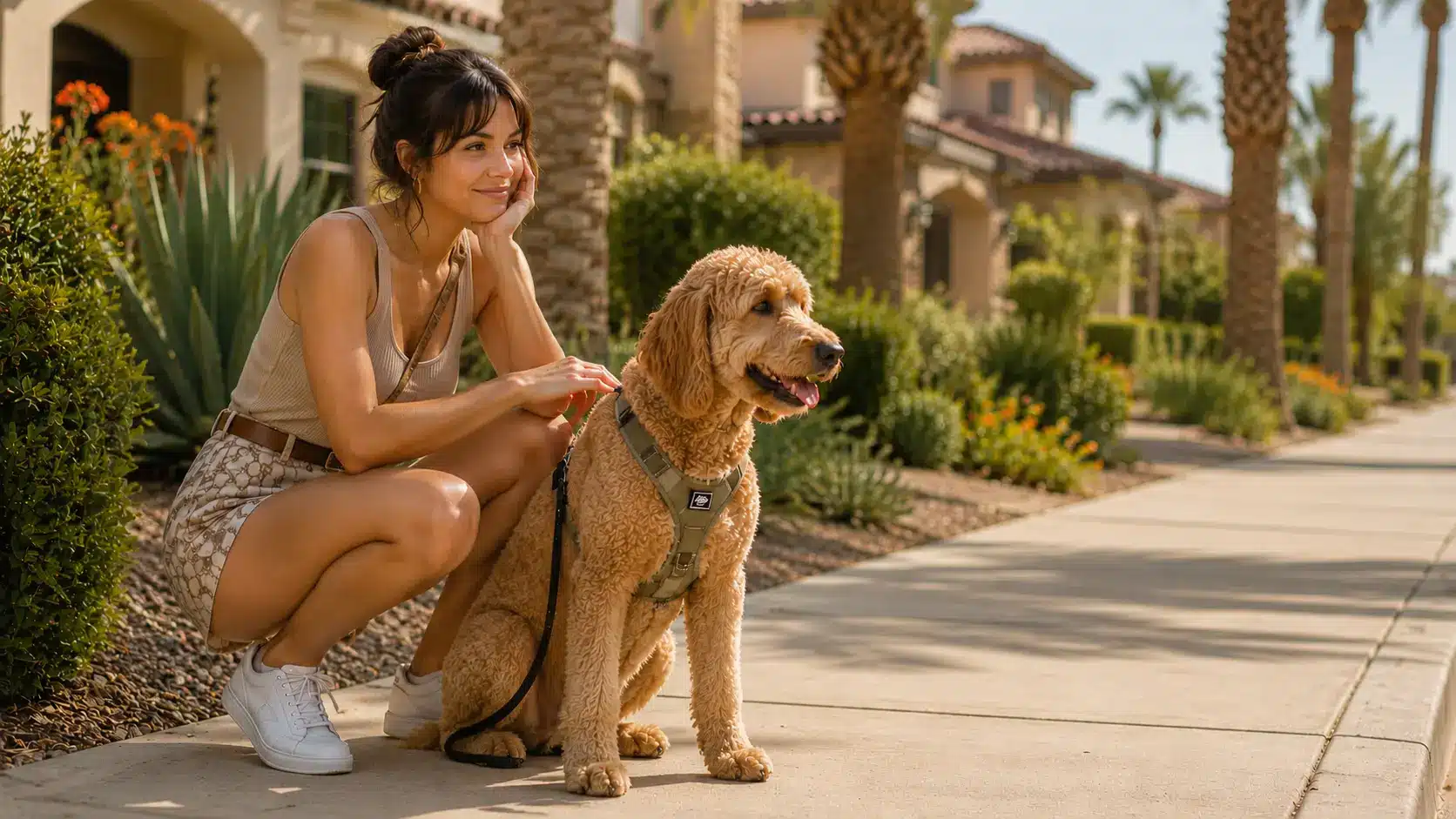
Every dog has the ability to learn, but successful training depends on using the right methods, consistency, and clear communication. Whether you have a new puppy, a rescue dog, or an adult companion with challenging habits, working with a dog trainer Arizona owners trust can help create lasting improvements.
Training is not simply about teaching commands. It is about developing a stronger relationship, encouraging appropriate behavior, and helping dogs confidently navigate everyday situations. Rob’s Dog Training emphasizes practical, individualized training that helps dogs build reliable skills while strengthening the bond with their owners.
Why Professional Dog Training Matters
Many unwanted behaviors develop because dogs naturally respond to their environment. Pulling on the leash, excessive barking, jumping on visitors, and ignoring recall are often learned habits rather than signs of stubbornness.
Professional training focuses on helping dogs understand what is expected while giving owners practical skills they can apply every day. A structured approach creates consistency, making it easier for dogs to succeed regardless of their age or breed.
Benefits of professional dog training include:
- Better communication between owner and dog
- Increased confidence in unfamiliar environments
- Improved reliability around distractions
- Safer interactions with people and other animals
- Reduced stress during daily routines
Training also gives owners the knowledge needed to reinforce behaviors long after formal sessions have ended.
Every Dog Learns Differently
One of the biggest misconceptions about dog training is that every dog should follow the exact same program. In reality, each dog has unique characteristics that influence how they learn.
Several factors affect training progress:
- Age and developmental stage
- Previous experiences
- Breed tendencies
- Energy level
- Motivation
- Confidence
- Home environment
A young puppy may learn quickly but have a shorter attention span. An older rescue dog may require additional patience while adjusting to new routines. Recognizing these differences allows training plans to be tailored to each individual dog rather than relying on a one-size-fits-all approach.
What a Dog Trainer Arizona Should Focus On
When searching for a dog trainer Arizona families can rely on, it helps to understand what quality training should include.
Effective programs typically focus on teaching practical life skills rather than simply correcting unwanted behaviors. Dogs benefit from learning behaviors they can successfully repeat in real-world situations.
Common training goals include:
Basic Obedience
Foundational commands such as:
- Sit
- Stay
- Down
- Come
- Place
- Heel
These behaviors improve communication while creating a framework for future learning.
Loose-Leash Walking
Walking calmly without pulling helps make daily exercise more enjoyable while improving safety for both dog and owner.
Reliable Recall
Teaching dogs to return when called can improve off-leash reliability where appropriate and provide greater confidence during outdoor activities.
Impulse Control
Dogs frequently encounter exciting distractions including wildlife, visitors, food, bicycles, and other dogs. Learning self-control helps them make better decisions instead of reacting impulsively.
Household Manners
Training also addresses everyday situations such as:
- Greeting visitors politely
- Waiting at doors
- Remaining calm during meals
- Settling indoors
- Respecting boundaries
These practical behaviors often have the greatest impact on daily life.
Consistency Creates Long-Term Success
Dogs learn through repetition. Practicing skills only during formal lessons often produces slower progress than incorporating training into daily routines.
Simple opportunities include:
- Asking for a sit before meals.
- Practicing recall during playtime.
- Rewarding calm behavior when guests arrive.
- Reinforcing loose-leash walking during neighborhood walks.
- Using short training sessions throughout the day.
Frequent practice helps behaviors become habits while preventing confusion.
Owners who remain consistent with expectations often see greater long-term success than those relying on occasional corrections.
Positive Reinforcement Encourages Better Learning
Modern dog training emphasizes rewarding behaviors owners want to see repeated.
Positive reinforcement helps dogs associate desired behaviors with rewarding outcomes. This approach encourages engagement, improves motivation, and strengthens communication between dogs and their handlers.
Rewards may include:
- Treats
- Toys
- Praise
- Play
- Access to preferred activities
Different dogs value different rewards, making individualized training especially important.
Rewarding appropriate behavior also provides dogs with clear information about what they did correctly instead of focusing only on mistakes.
Understanding the Cause of Behavior
Many behavior problems are symptoms rather than the actual issue.
For example:
- Barking may result from excitement, fear, frustration, or boredom.
- Pulling may occur because dogs naturally move faster than people.
- Jumping often develops because it has unintentionally been rewarded with attention.
- Chewing may increase during teething or when dogs lack appropriate enrichment.
Understanding the motivation behind behavior allows trainers to address the underlying cause instead of simply suppressing the symptom.
This leads to more reliable and sustainable results.
Socialization Goes Beyond Meeting Other Dogs
Many people believe socialization means allowing dogs to greet every person or dog they encounter.
In reality, proper socialization teaches dogs to remain calm, confident, and responsive in many different environments.
Dogs benefit from gradual exposure to:
- Different surfaces
- Traffic sounds
- Public spaces
- Children
- Adults
- Veterinary environments
- Grooming experiences
- New objects
- Various weather conditions
The goal is not constant interaction but comfortable, controlled exposure that builds confidence.
Training Is Just as Important for Adult Dogs
A common myth suggests older dogs cannot learn new behaviors.
Dogs of all ages are capable of learning when training is consistent and appropriately structured.
Adult dogs often benefit from improving:
- Recall
- Leash manners
- Confidence
- Household routines
- Visitor greetings
- Focus around distractions
While changing long-established habits may require additional repetition, meaningful progress remains achievable.
Owners Play the Biggest Role
Professional trainers guide the learning process, but owners influence the majority of their dog’s daily experiences.
Successful training depends on maintaining consistent expectations outside scheduled sessions.
Helpful owner habits include:
- Using consistent cues
- Practicing regularly
- Remaining patient
- Rewarding desired behaviors
- Avoiding mixed signals
- Keeping sessions short and engaging
When owners actively participate, dogs receive more opportunities to practice successful behaviors throughout the week.
Common Mistakes That Slow Progress
Even motivated owners occasionally make training more difficult without realizing it.
Some common mistakes include:
- Repeating commands multiple times
- Practicing only when problems occur
- Expecting immediate perfection
- Inconsistently enforcing rules
- Accidentally rewarding unwanted behaviors
- Training in highly distracting environments too early
Building skills gradually allows dogs to gain confidence before facing more challenging situations.
Training Builds More Than Obedience
While obedience is important, quality training produces additional benefits that improve everyday life.
Dogs often become:
- More confident
- Better able to focus
- Easier to manage in public
- More comfortable around new experiences
- More responsive during stressful situations
Owners frequently report reduced frustration, stronger communication, and greater enjoyment of activities such as walking, traveling, and visiting public spaces.
These improvements extend well beyond simple command training.
Choosing the Right Training Program
Not every training program is appropriate for every dog.
When evaluating options, consider:
- Your dog’s age
- Current behavior challenges
- Training goals
- Household lifestyle
- Previous training experience
- Level of owner involvement
Programs that provide clear communication, individualized instruction, and practical real-world applications often deliver the most meaningful long-term results.
Training should also continue beyond the classroom by giving owners realistic strategies they can confidently use at home.
Final Thoughts
Investing in professional training is an investment in your dog’s lifelong success. By building communication, reinforcing appropriate behaviors, and practicing consistently, owners can create a more enjoyable relationship with their dogs while reducing everyday challenges.
If you’re looking for guidance from an experienced dog trainer Arizona pet owners trust, Rob’s Dog Training provides customized training programs designed to help dogs develop reliable skills while giving owners the confidence to continue that progress at home. Learn more by visiting https://robsdogs.com/.