A room can look expensive and still feel cold the second you walk into it. The better goal is not decoration for display, but a home that settles your shoulders, slows your pace, and makes ordinary evenings feel richer. That is where Life In Lodge Inspiration earns its place, because it points toward interiors that feel grounded, warm, and deeply lived in without becoming heavy or old-fashioned. The strongest lodge-style rooms do not chase a theme; they build a mood through texture, proportion, light, and restraint. A good space lets wood, fabric, stone, metal, and shadow do their quiet work together. Even a city apartment can borrow this feeling when the choices are honest instead of theatrical. If you are shaping a home with long-term comfort in mind, smart design ideas and trusted publishing resources like home lifestyle insights can help connect style with real daily use. Lodge-inspired interiors work best when they feel collected, not staged. The point is not to copy a mountain cabin. The point is to create rooms that feel steady, personal, and worth staying in.
Life In Lodge Inspiration Starts With Atmosphere, Not Décor
Good lodge style begins before you buy a sofa, hang art, or choose a rug. It begins with the feeling you want the room to hold after the day has worn you down. A living room with tall shelves, low lamps, a wool throw, and a solid coffee table can feel more inviting than a room filled with expensive pieces that never seem to belong together. The smartest lodge interiors make atmosphere the leader and décor the support crew.
Warm lodge interior ideas that feel lived in
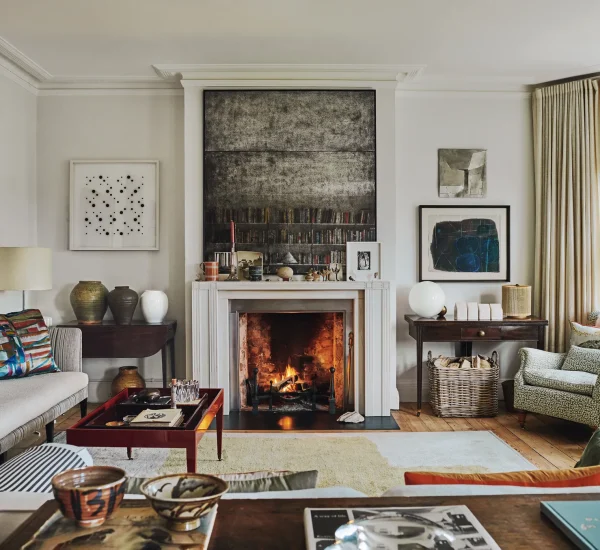
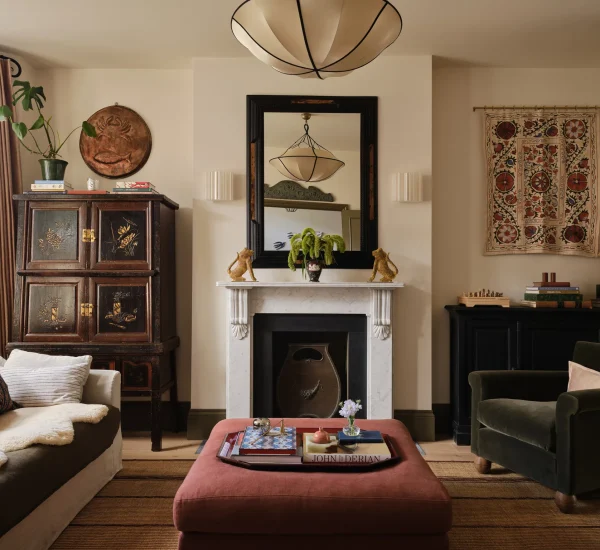
Warmth does not come from adding brown to everything. It comes from layering surfaces that age well, catch light differently, and invite touch. A matte wooden sideboard, linen curtains, a nubby chair, and a slightly uneven ceramic lamp can do more for a room than ten matching accessories.
The mistake many people make is trying to create instant coziness with clutter. Real warmth needs breathing room. When every shelf is filled and every wall is busy, the eye never rests, and the room starts to feel like a shop display. Keep the strongest pieces visible and let them carry weight.
A practical example helps. In a small den, one deep armchair beside a reading lamp can set the whole mood if the surrounding pieces stay calm. Add a small table for a book and a warm drink, then stop. The empty space around that chair becomes part of the comfort.
Natural cabin style without the costume effect
Natural cabin style works best when it borrows from nature without turning the room into a stage set. Antlers, plaid overload, fake log wallpaper, and novelty signs can make a space feel less mature, not more grounded. The better path is quieter: honest materials, earth-led color, and furniture that looks ready for years of use.
Stone, wood, leather, clay, wool, and iron all carry a natural weight. You do not need all of them in one room. Two or three strong materials, repeated with care, create a cleaner result than a crowded mix of rustic signals.
Color also matters here. A room can feel cabin-inspired with mushroom gray, smoky green, oat, rust, charcoal, and dark cream. These shades feel closer to weather, bark, soil, and firelight than flat beige ever will. That quiet link to the outdoors gives the space its pull.
Texture Gives Lodge Interiors Their Staying Power
Once the atmosphere is clear, texture decides whether the room feels alive or flat. Smooth walls, smooth floors, smooth furniture, and smooth fabrics can look tidy in photos, but they rarely hold interest in daily life. Lodge-inspired rooms need contrast under the eye and under the hand. That is why a rough timber beam, a woven basket, a thick rug, and a soft lampshade can make the same square footage feel deeper.
Rustic home design through touchable materials
Rustic home design should never feel careless. The best rustic choices show grain, weave, patina, or handmade variation without making the room look unfinished. A reclaimed wood bench under a clean-lined mirror works because one piece brings age while the other keeps the composition sharp.
Balance matters more than quantity. A room with a rough mantel, boucle chair, wool rug, and hammered metal tray already has enough texture to feel layered. Add too many distressed finishes, and the space begins to look forced.
The counterintuitive truth is that one polished surface can make rustic elements look better. A sleek black side table beside a worn leather chair gives the leather more character. Contrast lets roughness feel intentional rather than accidental.
Cozy lodge decor that avoids visual heaviness
Cozy lodge decor can go wrong when every choice becomes thick, dark, and oversized. Heavy drapes, bulky furniture, dense rugs, and dark walls may sound comforting, but together they can drain energy from a room. Comfort needs weight, but it also needs lift.
Use scale like a volume knob. If the sofa is deep and generous, choose lighter side tables. If the rug has a dense pattern, keep the curtains plain. If the walls are dark, bring in pale linen, aged brass, or warm white lampshades to keep the room from closing in.
A bedroom shows this clearly. A chunky knit blanket at the foot of the bed feels inviting when the bedding stays smooth and simple. Add thick pillows, a patterned quilt, heavy curtains, and carved furniture, and the bed starts to feel less like rest and more like effort.
Light Shapes the Mood More Than Furniture Does
After texture, lighting becomes the quiet force that decides whether a room feels welcoming at night. Furniture sets the layout, but light sets the emotional temperature. A lodge-inspired interior with one bright ceiling fixture will feel harsh no matter how good the wood tones are. A modest room with layered lamps can feel rich by sunset.
Lodge lighting ideas for softer evenings
Lodge lighting ideas should begin at eye level, not overhead. Table lamps, floor lamps, wall sconces, shaded pendants, and firelight-style bulbs create pools of warmth that pull people into the room. Overhead lighting has its place, but it should rarely be the main event after dark.
Think about where people pause. A lamp beside a reading chair, a low glow near the sofa, a small light on a console, and a dim source near artwork can make the room feel settled from several angles. This layered approach keeps shadows soft instead of flat.
One strong rule helps: every seating area needs its own light source. Without that, people drift toward the brightest spot or feel slightly exposed. Good lighting gives each corner a purpose and makes the room feel ready for use.
Modern rustic interiors with clean shadows
Modern rustic interiors gain their strength from restraint. The modern side keeps lines clear, while the rustic side brings warmth and character. Lighting ties those worlds together because shadow can make simple spaces feel intimate without adding more objects.
A black metal sconce on a wood-paneled wall, for example, feels crisp without becoming cold. A paper shade over a stone-topped table softens the weight below it. Small decisions like these keep the room from leaning too far into either sleekness or nostalgia.
Dimmer switches are not glamorous, but they change everything. The same dining room can support breakfast, work, dinner, and a late conversation when the light can shift. That flexibility matters more than another decorative piece on the sideboard.
Personal Details Make the Lodge Feeling Belong to You
A lodge-inspired room only becomes memorable when it carries signs of a real life. The danger with any popular style is that people start buying the same objects in the same tones, then wonder why the result feels hollow. Your home needs evidence of your habits, travels, reading, family rhythms, and quiet preferences. That is where design turns into belonging.
Lodge-inspired living rooms with personal rhythm
Lodge-inspired living rooms should support the way you actually spend time, not the way a catalog suggests you should live. If you read at night, build around a chair, lamp, and side table before worrying about decorative trays. If guests gather around food, make the coffee table sturdy and reachable. If kids or pets rule the floor, choose fabrics that forgive real life.
Personal rhythm shows in small decisions. A stack of field guides, a framed sketch from a local artist, a wooden bowl used for keys, or a blanket that has survived several winters tells a better story than objects bought in one afternoon. The room starts to feel earned.
This is also where lodge living ideas and cozy interior planning can guide next steps without pushing the room into sameness. The best inspiration helps you edit, not imitate.
Interior styling tips for lasting character
Interior styling tips often focus on what to add, but lasting character often comes from what you refuse to add. Do not fill a blank corner out of guilt. Do not buy a matching set because choosing one piece at a time feels slower. Rooms gain depth when they grow at a human pace.
Edit with a firm hand. Keep the chair that feels good, the lamp that casts the right glow, the table that can take a scratch, and the art that still catches your eye after a year. Remove the pieces that only prove you followed a trend.
A strong lodge interior should feel calm in January and still honest in July. That means the bones need to work without seasonal props. When the wood tones, fabrics, light, and personal pieces are right, you can change flowers, throws, or candles without rebuilding the room every few months.
Conclusion
The most inviting interiors are rarely the loudest ones. They are the rooms that understand weight, warmth, shadow, and memory, then arrange those elements with patience. Lodge style gives you a language for that kind of home, but it should never trap you inside a theme. Use it as a guide for choosing pieces that feel steady, useful, and emotionally grounded. Life In Lodge Inspiration works best when it helps you build a space that supports real evenings, real conversations, and real rest. Start with one room, not the whole house. Fix the light, remove what feels false, add texture where the space feels thin, and let personal details return slowly. The next step is simple: choose the room where you spend the most tired hour of your day, then make that hour feel better on purpose.
Frequently Asked Questions
What are the best Life In Lodge interior ideas for small homes?
Small homes benefit from warm lighting, natural textures, compact furniture, and a restrained color palette. Choose one strong wood piece, one soft rug, and several low light sources. The goal is depth without crowding, so every item should earn its place.
How can cozy lodge decor work in a modern apartment?
Cozy lodge decor works in apartments when you skip heavy theme pieces and focus on texture. Use linen, wool, wood, aged metal, and warm lamps. Keep furniture clean-lined so the space feels current rather than like a rented cabin set.
What colors suit natural cabin style interiors?
Natural cabin style interiors suit smoky green, bark brown, clay, oat, charcoal, rust, cream, and soft black. These shades feel grounded without looking dull. Use darker tones as anchors and lighter tones to keep the room open.
How do I make rustic home design feel elegant?
Rustic home design feels elegant when rough materials meet clean shapes. Pair a worn wood table with simple chairs, or a textured rug with plain curtains. The contrast keeps the room mature and prevents rustic pieces from looking messy.
What lighting works best for lodge-inspired living rooms?
Layered lighting works best. Use table lamps, floor lamps, wall lights, and dimmers instead of relying on one ceiling fixture. Each seating area should have its own glow, so the room feels comfortable from every angle after dark.
Can modern rustic interiors look bright and airy?
Modern rustic interiors can feel bright when you balance heavier materials with pale fabrics, open floor space, and reflective accents. Keep wood tones warm, not orange, and avoid stuffing every corner. Air around furniture makes rustic details look refined.
What furniture fits warm lodge interior ideas?
Furniture with solid shapes, touchable fabrics, and natural finishes fits warm lodge interior ideas well. Look for deep chairs, sturdy tables, woven stools, leather accents, and wood with visible grain. Comfort matters, but the room still needs clean proportion.
How do I avoid making lodge interiors look outdated?
Avoid matching sets, novelty signs, fake rustic finishes, and too many dark pieces. Keep the base simple, mix old and new materials, and let personal objects carry the story. A lodge-inspired room stays fresh when it feels lived in, not themed.