A home can feel expensive and still feel cold. The spaces people remember are the ones that make them slow down, breathe deeper, and settle into themselves. That is the quiet power behind Life In Lodge Ideas: they bring warmth, texture, and a grounded sense of comfort into rooms that may otherwise look polished but feel distant. The look is not about copying a mountain cabin or filling every corner with antlers and plaid. It is about creating rooms that feel protected, lived-in, and rich with natural character.
The best lodge-inspired homes balance rugged materials with thoughtful softness. Stone, wood, wool, leather, and warm lighting all matter, but restraint matters more. A room should feel collected over time, not staged in a weekend. For homeowners shaping a warm design story or sharing inspiration through a home lifestyle feature, this style offers something rare: beauty that feels steady instead of showy. Done well, it turns ordinary rooms into places people want to stay.
Building a Warm Foundation for Lodge Living
The strongest lodge-style homes begin with atmosphere, not decoration. Before you choose furniture, wall color, or accessories, you need the room to feel anchored. That usually means deeper tones, honest materials, and a layout that encourages people to sit, talk, and stay longer than they planned.
Choosing Natural Materials That Age Well
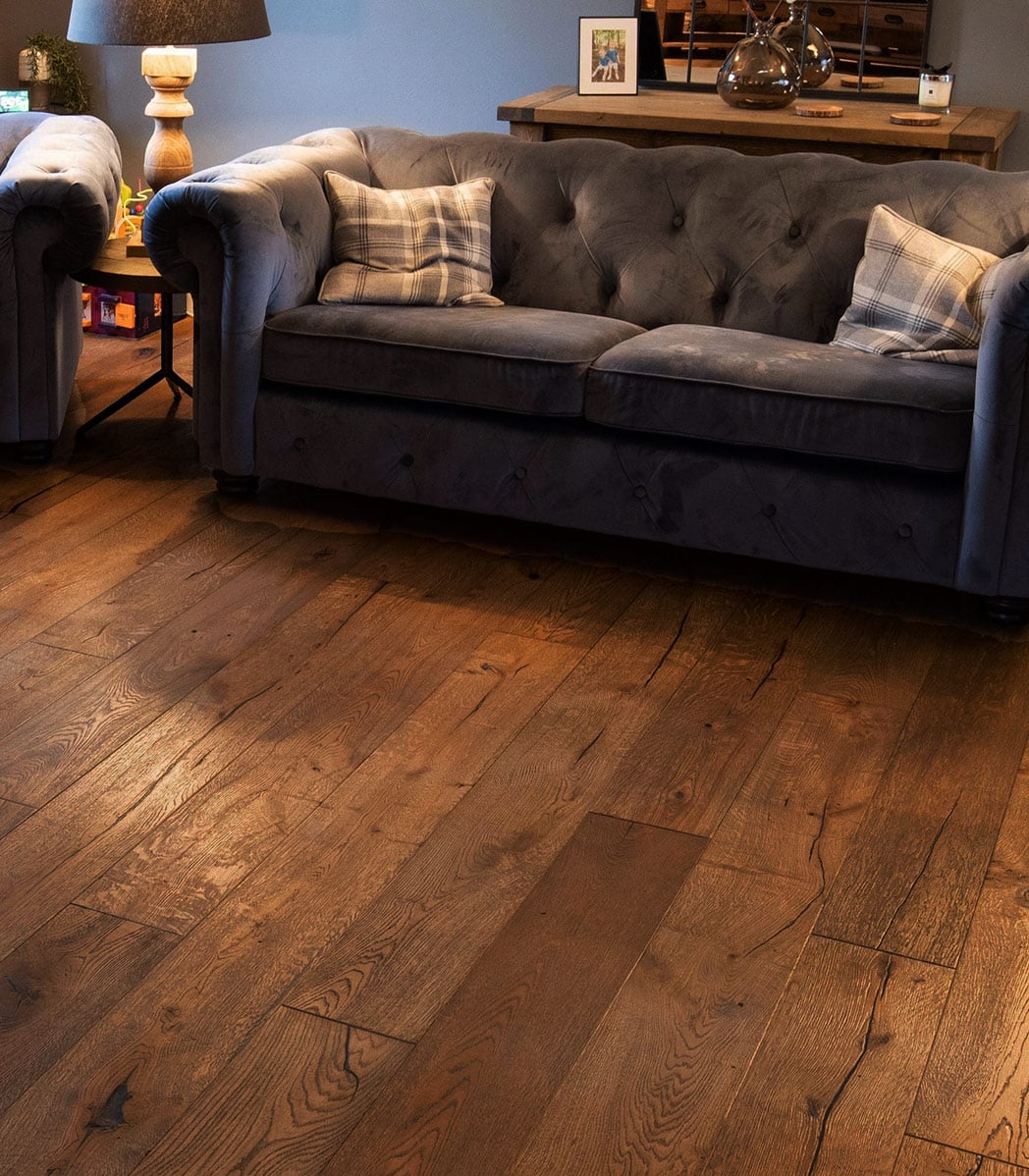
Natural materials carry memory better than synthetic ones. A pine ceiling, oak floor, stone fireplace, or leather chair changes with time, and that aging becomes part of the room’s appeal. A scratch on a wooden table does not ruin the look; it adds a small mark of use that makes the space feel human.
This is where rustic home decor earns its place. It should never look like props scattered across a set. A hand-thrown ceramic bowl, a woven basket near the hearth, or a reclaimed wood bench by the entry can say more than a dozen themed accessories. The goal is not to announce a style. The goal is to let the room speak in a lower, warmer voice.
Many people make the mistake of mixing too many wood tones without direction. Variety is good, but chaos is not. Choose one dominant wood tone, then add one or two supporting tones through smaller pieces. A walnut coffee table can sit well with lighter oak beams, but five competing finishes will make the room feel restless.
Using Warm Colors Without Making Rooms Feel Heavy
Lodge homes are often linked with dark browns, deep greens, clay reds, and charcoal grays. Those shades can work beautifully, but they need balance. A room wrapped in dark color from floor to ceiling can feel cozy at night and gloomy by afternoon.
A smarter move is to layer warmth through surfaces. Use a soft mushroom wall color, a deep olive sofa, amber lamps, and cream textiles. The room still feels grounded, but it has breathing room. This is one of the most useful lodge home ideas because it works in both large houses and compact city homes.
Light also changes how color behaves. A north-facing room may need warmer paint than a sun-filled room. A small bedroom may need warm white walls and dark wood accents rather than deep wall color. The lodge mood should comfort you, not close in around you.
Creating Comfort Through Texture and Furniture
Once the foundation feels right, the room needs touch. Lodge style lives through texture more than pattern. Smooth walls, flat fabrics, and glossy surfaces make a room feel thin. Layered materials give it weight, and that weight makes the home feel settled.
Picking Furniture That Invites Real Use
Furniture in a lodge-inspired home should look ready for a long evening, not a quick photo. Deep seating, generous arms, sturdy tables, and pieces with visible grain all help create that feeling. A sofa should welcome a blanket, a book, and a person who has no plan to leave soon.
Cabin inspired interiors often fail when the furniture becomes too bulky. Oversized does not always mean comfortable. A giant sectional can swallow a room and leave no space for flow. Better furniture has presence without blocking movement. Think wide chairs, firm cushions, and tables that can hold mugs, candles, and board games without looking cluttered.
Scale matters more than style labels. In a smaller living room, one leather armchair may do more than a full heavy seating set. In a larger room, two facing sofas near a fireplace can create the kind of gathering space that feels natural before anyone sits down.
Layering Fabrics for a Lived-In Look
Texture turns lodge rooms from attractive to inviting. Wool throws, linen curtains, nubby pillows, hide rugs, cotton quilts, and woven poufs each add a different kind of softness. The best rooms do not match every textile. They let materials sit together like people from the same family with different personalities.
Cozy lodge style depends on this kind of layering. A bed with crisp sheets, a wool blanket, and a quilt folded at the foot feels richer than one covered in a single thick comforter. A living room with two pillow fabrics and one textured throw feels more natural than a sofa packed with matching cushions.
Pattern needs care. Plaid can work, but too much of it turns the room into a costume. Use it as an accent, then give it room to breathe. A plaid cushion on a leather chair feels intentional. Plaid curtains, plaid bedding, and plaid pillows in one room feel like the house has lost its nerve.
Designing Rooms Around Light, Fire, and Gathering
A lodge home is not only about how it looks. It is about how people gather inside it. Light, seating, and focal points shape that behavior more than most decor choices. When those pieces work, the room pulls people together without asking for attention.
Making Fireplaces and Focal Walls Feel Natural
A fireplace has always been the emotional center of lodge design. Even when it is gas, electric, or purely decorative, it still gives the room a reason to gather. The mistake is treating it like a display shelf instead of a living feature.
Stone, brick, plaster, or wood can all frame a fireplace well. The right choice depends on the home. A rough stone surround works in a room with beams and high ceilings. A smoother plaster finish may suit a smaller home where heavy stone would feel forced. Life In Lodge Ideas work best when the feature fits the room’s bones rather than fighting them.
A focal wall can serve the same purpose when there is no fireplace. A built-in bookcase, a textured wood wall, or a large piece of landscape art can create a visual anchor. The trick is keeping the wall useful or emotionally resonant. A fake feature created only to fill space often feels empty, no matter how expensive it looks.
Planning Lighting That Feels Soft but Useful
Bad lighting can ruin the finest lodge room. One bright ceiling fixture makes wood look flat, stone look harsh, and textiles lose their warmth. Lodge lighting needs layers because real life happens at different speeds throughout the day.
Start with ambient light, then add lamps at human height. Table lamps near chairs, floor lamps beside sofas, and wall sconces near reading spots create pools of light. Those pools make rooms feel intimate. They also help people use the space without feeling like they are sitting under a spotlight.
Rustic home decor can appear through lighting, but restraint wins again. An iron chandelier, a ceramic lamp, or a shade made from natural fiber can support the mood without taking over. Choose warm bulbs and dimmers wherever possible. A dimmer is not a fancy extra here; it is the difference between a room that works at noon and one that feels right after dinner.
Bringing Lodge Character Into Everyday Rooms
The final layer is where lodge style becomes personal. Living rooms often get the most attention, but kitchens, bedrooms, bathrooms, and entryways can carry the same warmth. A home feels stronger when the mood moves from room to room without copying itself.
Adding Lodge Warmth to Kitchens and Dining Areas
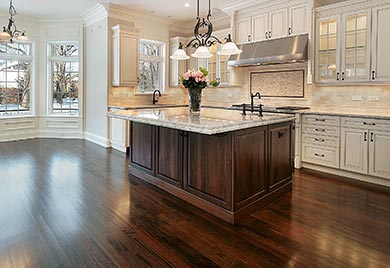
Kitchens can handle lodge character better than people think. Open shelves with stoneware, wood cutting boards, aged brass hardware, and warm pendant lights can shift the mood without making the kitchen feel old. A lodge kitchen should feel hardworking, not outdated.
Lodge home ideas fit dining spaces with even more ease. A solid table, comfortable chairs, a low pendant, and a textured runner can turn meals into a slower ritual. The table does not need to look perfect. In fact, a few marks on the surface can make it feel more honest.
The counterintuitive part is that not every surface should be rustic. Smooth countertops, clean cabinet lines, and simple backsplashes can make wood and metal details stand out. Too much roughness in a kitchen can feel dusty and heavy. Contrast keeps the space alive.
Making Bedrooms and Quiet Corners Feel Restful
Bedrooms need a softer version of lodge style. Heavy themes can make sleep spaces feel crowded, so the mood should come through touch, tone, and quiet details. A wood headboard, layered bedding, warm lamps, and a thick rug can do enough.
Cozy lodge style works beautifully in corners that often get ignored. A reading nook near a window, a bench beneath a stair landing, or a small chair in the bedroom can become a retreat. Add a lamp, a throw, and a small table, and suddenly the house has a new place to pause.
Cabin inspired interiors should never make you feel trapped in a theme. The best quiet rooms borrow from the lodge mood, then soften it. Use fewer objects, warmer light, and fabrics that feel good against the skin. A bedroom should not perform. It should let you rest without asking anything from you.
Frequently Asked Questions
What are the best lodge home ideas for small spaces?
Focus on texture, lighting, and one strong natural material. A small room does not need bulky furniture or dark walls to feel lodge-inspired. Use a wood table, warm lamps, soft throws, and earthy colors to create depth without crowding the space.
How can rustic home decor look modern instead of outdated?
Keep the base clean and use rustic pieces with intention. Pair wood, leather, stone, or woven accents with simple furniture lines and uncluttered surfaces. The room feels current when rustic details add warmth instead of taking over every corner.
What colors work best for cozy lodge style?
Warm neutrals, deep greens, soft browns, clay tones, charcoal, and cream all work well. The safest approach is to use lighter warm shades on larger surfaces, then bring deeper colors through furniture, textiles, and accents.
How do cabin inspired interiors differ from farmhouse style?
Cabin inspired interiors feel more grounded, wooded, and retreat-like. Farmhouse style often leans brighter, lighter, and more casual. Cabin design uses heavier textures, deeper tones, and stronger ties to nature, especially through wood, stone, wool, and firelight.
Can lodge decor work in a modern apartment?
Yes, but scale matters. Choose a few lodge elements instead of recreating a full cabin look. A leather chair, wood coffee table, textured rug, warm lighting, and nature-inspired art can bring the mood into an apartment without overwhelming it.
What is the easiest way to create a lodge feel at home?
Start with lighting and textiles. Replace harsh bulbs with warm ones, add a floor lamp, bring in wool or cotton throws, and use pillows with texture. These changes shift the mood fast without requiring renovation or large purchases.
Should lodge-style rooms always include wood?
Wood helps, but it is not the only path. Stone, leather, woven fibers, warm colors, and soft lighting can create a lodge feeling too. A room with minimal wood can still feel grounded when the materials have depth and touch.
How do I avoid making lodge decor look too themed?
Limit obvious symbols and focus on atmosphere. Skip excessive plaid, animal motifs, and novelty signs. Build the look through natural materials, warm light, strong furniture, and useful objects that feel collected rather than staged.