A lodge-inspired space should never feel like a costume. The best rooms in this style feel gathered, grounded, and lived in, as though every chair, lamp, beam, and blanket has earned its place over time. That is where Life In Lodge Ideas become useful for homes that need warmth without looking staged. You are not trying to turn a room into a mountain rental; you are building a space that feels calm, useful, and deeply human. Texture matters, scale matters, and restraint matters more than most people admit. A room with too many rustic pieces starts to feel themed, while a room with a few honest materials feels natural. For homeowners, designers, and brands shaping spaces with character, thoughtful visibility through a trusted digital publishing network can also help style ideas reach the right audience without feeling loud. Good lodge design begins with the same principle as good living: choose what lasts, soften what feels hard, and leave enough room for real life to happen.
Building Warmth Before Adding Decoration
Warmth does not begin with pillows, candles, or antlers on a wall. It begins with how the room receives a person. The first real test is simple: when you walk in, do your shoulders drop, or do you start noticing what feels unfinished? The strongest lodge spaces use weight, softness, and age in quiet balance. They do not shout rustic charm. They settle into it.
How lodge decor creates a grounded first impression
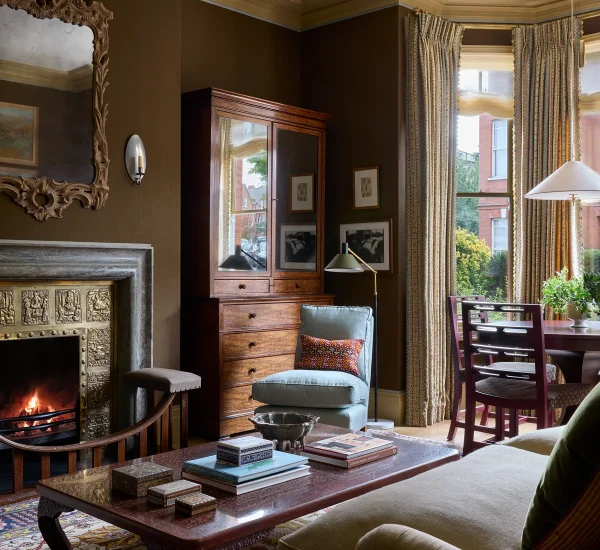
Good lodge decor starts at eye level and underfoot before it reaches the shelves. A rough coffee table, wool rug, aged leather chair, or stone fireplace can do more than a dozen small accessories because these pieces shape how the body reads the room. You feel them before you study them.
The mistake many people make is decorating from the edges inward. They hang signs, place baskets, add lanterns, and wonder why the room still feels thin. A lodge room needs an anchor first. That anchor might be a timber mantel, a deep sofa, a woven rug, or a dining table with visible grain. Once the room has a center of gravity, smaller choices start to make sense.
A grounded space also needs contrast. Too much wood turns heavy. Too many soft fabrics turn sleepy. A black iron lamp beside a linen shade, or a smooth ceramic bowl on a weathered table, gives the eye a place to rest. The room should feel old and current at the same time.
Why cozy spaces need breathing room
Cozy spaces often fail because people confuse comfort with fullness. A room packed with throws, cushions, framed prints, and side tables may look warm in a photo, but it becomes tiring in real life. Comfort needs air. Without it, the room starts pressing back.
The best lodge rooms leave open paths around furniture and allow blank wall space to remain blank. That emptiness is not wasted. It makes the heavy textures feel intentional instead of cluttered. A thick rug feels richer when the floor around it has room to show. A large chair feels more inviting when it is not trapped between three decorative objects.
This is also where restraint becomes a design skill. You may love five different wood tones, but the room may only need two. You may collect blankets, but one folded across the arm of a chair can say more than a pile in a basket. Cozy spaces work best when every soft detail has a job, not when every surface is trying to prove warmth.
Choosing Materials That Feel Honest
Once the room has warmth, the next question is truth. Lodge style depends on materials that look better with use, not worse. You want surfaces that can take a dent, a scuff, a season of sunlight, and still feel right. This is why natural materials carry the style so well. They do not ask for perfection, and that alone makes a home easier to live in.
Rustic interiors work best with fewer finishes
Rustic interiors are strongest when the material palette stays narrow. Stone, wood, wool, leather, linen, and iron already bring enough character. When too many finishes compete, the room loses its quiet power and starts to feel like a showroom trying to sell a mood.
A living room with oak beams, a slate hearth, a wool rug, and a brown leather chair has a clear language. Add glossy chrome, bright plastic, white marble, and painted novelty signs, and that language breaks. The room no longer knows what it wants to be. You feel that confusion even when you cannot name it.
A practical way to control this is to choose one dominant material, one supporting material, and one accent. For example, wood can lead, wool can soften, and black iron can add shape. This keeps the space layered without turning it into a catalog spread. Rustic interiors need character, but character should not become noise.
Cabin style can feel refined when texture does the work
Cabin style does not have to mean rough walls, plaid everywhere, and bulky furniture. The cleaner version relies on texture instead of themed decoration. A boucle chair, smoked wood cabinet, nubby throw, and hand-thrown lamp can suggest lodge living without dragging the room into cliché.
Refinement comes from editing. A cabin style bedroom might use a simple platform bed, heavy linen bedding, a wool bench, and one warm lamp. Nothing in that room needs to announce itself. The feeling comes from touch, shadow, and proportion.
This approach works especially well in modern homes where full rustic treatment would feel false. You can bring lodge character into a city apartment or suburban home by choosing honest textures and grounded colors. The point is not where the house sits. The point is whether the materials make the space feel steady.
Life In Lodge Ideas That Shape How a Room Functions
A beautiful lodge room that does not work for daily life is only scenery. Strong design pays attention to how people sit, move, eat, read, talk, and rest. Life In Lodge Ideas matter most when they improve the way a space behaves, not only the way it looks. The room should support slow mornings, tired evenings, muddy shoes, full tables, and quiet corners.
Furniture placement should support real habits
Furniture should follow the life of the room, not the outline of the walls. Many people push every piece outward, leaving a dead space in the middle and forcing conversation across awkward distances. Lodge design feels better when seating gathers around a shared center.
A family room might place two chairs near the fire, a sofa facing them, and a low table close enough to hold a book or cup. That arrangement invites people to stay. It also makes the room feel warmer because the furniture is in relationship, not lined up like waiting room seats.
Daily habits should decide the details. A reading chair needs a lamp within reach, not across the room. A boot bench needs hooks and a tray nearby, not a decorative basket that cannot handle wet soles. A dining table needs chairs people can sit in beyond the meal. Function is not less beautiful. It is the part of beauty that survives use.
Lighting decides whether the room feels alive
Lighting can make or break lodge decor faster than almost anything else. One ceiling fixture in the center of the room creates flat light, harsh shadows, and a mood that feels unfinished. Lodge rooms need layers because natural materials change throughout the day.
A good lighting plan includes low lamps, wall sconces, firelight when possible, and soft overhead light when needed. The goal is not brightness. The goal is depth. Wood looks richer beside warm light. Stone gains shadow. Fabric shows texture. Even a simple corner becomes more inviting when the light lands at human height.
The counterintuitive move is to light less of the room, not more. A few pools of light make a space feel intimate. A room lit evenly from corner to corner feels public and exposed. Lodge style should never feel like a retail floor. It should feel like someone expected you, set down a lamp, and left the chair open.
Styling Details That Keep the Space Personal
After the structure, materials, and layout are working, details can finally speak. This is the stage where personality enters. The risk is obvious: too many details, and the space becomes staged. Too few, and it feels rented. The right details should make a visitor understand something about the people who live there without reading a single word.
Cozy spaces feel richer with useful objects
Useful objects bring a kind of honesty that purely decorative items cannot match. A stack of firewood, a ceramic pitcher, a woven tray, a reading lamp, or a thick blanket earns its place because it serves the room. That usefulness gives the space emotional weight.
The best cozy spaces often include objects that are touched often. A wooden bowl near the entry can hold keys. A basket beside the sofa can hold magazines. A bench near the door can carry bags, boots, and tired bodies at the end of the day. These pieces do not need to be precious. In fact, they feel better when they are not.
Personal objects should be chosen with care. One framed landscape from a meaningful trip has more force than six generic prints bought to fill a wall. A handmade stool, inherited quilt, or chipped stoneware mug can give the room a pulse. The detail that matters is usually the one that would be hard to replace.
How to keep cabin style from becoming a theme
Cabin style loses its charm when every object repeats the same message. Bears on pillows, pine trees on mugs, antlers on walls, and lodge signs over doors can turn a warm idea into a costume. A room should suggest place, not perform it.
A better method is to choose references that feel indirect. Use deep green instead of printed pine branches. Use blackened metal instead of novelty lanterns. Use a wool stripe instead of loud plaid in every corner. The room will still feel connected to lodge living, but it will not trap itself inside a theme.
Modern contrast also helps. A clean-lined sofa, simple artwork, or smooth plaster wall can sharpen rustic pieces around it. The old wood feels better beside something calm and current. The handmade piece feels stronger when it has space to stand alone. The room becomes personal because it refuses to become predictable.
Conclusion
A lodge-inspired home is not built by copying a cabin photo or buying every rustic object in sight. It comes from choosing materials that age well, arranging furniture around real habits, and letting useful details carry the mood. The strongest spaces have confidence because they do not try to prove anything. They feel warm, steady, and ready for actual life.
That is the real promise behind Life In Lodge Ideas: they help you create rooms that hold people well. A chair beside a lamp, a table with enough room for elbows, a rug that softens winter mornings, and a wall left bare on purpose can change how a home feels every day. Start with one space, remove what feels forced, and add only what makes the room easier to live in. A home becomes memorable when comfort stops being decoration and starts becoming the way the space behaves.
Frequently Asked Questions
What are the best lodge ideas for small spaces?
Choose fewer large pieces instead of many small ones. A textured rug, compact leather chair, warm lamp, and wood accent table can create lodge character without crowding the room. Keep walkways open and use wall-mounted lighting to save floor space.
How can lodge decor make a modern home feel warmer?
Lodge decor adds warmth through texture, weight, and natural materials. Wood, wool, linen, stone, and aged metal soften modern lines without making the home feel outdated. The key is balance: one rustic anchor often works better than many themed accents.
What colors work best for cozy lodge spaces?
Earth-based colors work best, including warm brown, clay, charcoal, moss, cream, and muted rust. These shades make cozy spaces feel settled without becoming dark. Use lighter walls or fabrics when the room lacks natural light.
How do rustic interiors stay stylish instead of dated?
Rustic interiors stay current when the design avoids novelty items and focuses on real materials. Clean furniture lines, edited accessories, and simple lighting keep the room fresh. Let wood grain, stone, and woven texture carry the character.
What furniture works best for cabin style rooms?
Choose furniture with generous proportions, tactile fabric, and visible material quality. A deep sofa, sturdy coffee table, reading chair, and wood storage piece can shape a cabin style room without excess. Comfort should guide the layout first.
How can I add lodge character without using too much wood?
Use wool rugs, linen curtains, leather seating, ceramic lamps, stone bowls, and iron hardware. These materials bring lodge feeling without covering every surface in timber. A small amount of wood feels stronger when other textures support it.
Are lodge-inspired spaces good for apartments?
Apartments can carry lodge style well when the scale stays controlled. Use soft lighting, natural textures, compact furniture, and earthy colors. Avoid oversized rustic pieces that overwhelm the room, and focus on comfort at human scale.
What is the easiest way to start a lodge-style room makeover?
Begin with the main seating area. Add one grounding piece, such as a wool rug or wood table, then adjust lighting and remove clutter. Once the room feels calmer, bring in personal objects that serve a purpose.