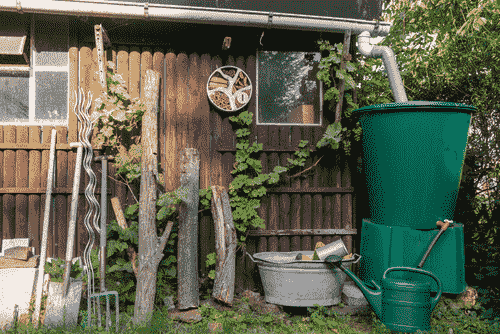
A dry week can make a healthy backyard feel needy fast. A backyard rainwater harvesting system gives beginners a simple way to catch roof runoff, store it safely, and use it for outdoor watering without turning the yard into a plumbing project. For most US homes, the starter version is a covered barrel under a downspout, with a screened inlet, overflow hose, spigot, raised base, and a plan for where extra water should go. The EPA notes that rain barrels collect roof water for later use on lawns, gardens, and indoor plants, while also reducing water flowing off your property.
Start small. One clean barrel can teach you how your roof drains, how fast storage fills, and how much garden irrigation water your plants need in July. Before buying parts, check local rules, because the DOE points homeowners to state-by-state rainwater regulations through its harvesting tool. If you already enjoy practical outdoor home planning, this project fits that same mindset: solve one backyard problem with a setup you can see, clean, and improve.
Plan Your Backyard Rainwater Harvesting System Before Buying Parts
Most beginner mistakes happen before the first hole is drilled. People buy a barrel because it looks simple, then discover the downspout is on the wrong side of the house, the patio slopes backward, or the overflow dumps water against the foundation. Planning first feels slower, but it saves the project from the one failure that ruins trust: messy water where you do not want it.
Pick the best downspout, not the most convenient one
Walk your yard during a steady rain. That beats guessing from a sunny afternoon. Look for the downspout that drains a large roof section, sits near plants you already water, and has a safe path for overflow. A downspout beside a vegetable bed may be perfect. A downspout beside basement windows may be trouble.
The counterintuitive part is that the closest downspout is not always the best one. A barrel beside the garage may serve the garden better than one beside the kitchen, even if the kitchen downspout is easier to reach. Water is heavy, and hauling full watering cans across a yard turns a smart project into a chore by the second heat wave.
For many suburban homes, the best rain barrel setup sits near a side-yard gate or back corner, where a short hose can reach raised beds. If your yard has clay soil, a low patio, or a known drainage dip, send overflow toward mulch, turf, or a dry creek bed. Never aim it at siding, crawl-space vents, or a neighbor’s fence line.
Match storage size to your roof and watering habits
A small barrel can fill faster than beginners expect. North Carolina’s Department of Environmental Quality gives a useful sizing rule: one inch of rain on 1,000 square feet of roof can produce about 600 gallons of water, and even a quarter-inch rain can fill typical residential rain barrels. That does not mean you need a giant tank. It means you need overflow control from day one.
Think in use, not bragging rights. A 50- to 65-gallon barrel can help with herbs, patio planters, shrubs, and a small vegetable patch. A bigger cistern makes sense when you have a large garden, long dry spells, or a plan to water several zones. The DOE describes rainwater harvesting as rooftop capture, diversion, and storage for later uses such as landscape irrigation, which is the right beginner target.
For a first build, choose one barrel and design it well. You can add a second barrel after you see how the first one behaves through two or three storms. That staged approach also keeps you from buying extra fittings before you know your roof runoff collection pattern.
Choose Parts That Keep Water Clean and Easy to Use
Once the location makes sense, the parts become easier to judge. The goal is not to build the fanciest backyard feature on the block. The goal is to catch clean roof water, block pests, move overflow safely, and let you fill a watering can without wrestling with leaks. A good setup feels boring in the best way.
Use a covered barrel, screened inlet, and solid base
Pick a food-grade barrel or a retail rain barrel made for outdoor storage. The lid should close tight. The inlet should have mesh or a fitted screen to keep leaves, grit, and mosquitoes out. Open barrels are a bad trade. They may look easy to dip from, but they collect debris and invite pests.
Raise the barrel on concrete blocks, a compact gravel pad, or a purpose-built stand. A raised base gives you room under the spigot and adds a little gravity pressure. It will not feel like a city hose. That is normal. The higher the barrel sits, the easier it is to fill a can or run a short soaker hose downhill.
This is where beginners should be picky. A wobbly stand under a full barrel is unsafe. Water weighs more than people picture in the store aisle. A full 55-gallon barrel can weigh hundreds of pounds, so the base must sit level and firm. Do not place it on loose mulch, soft lawn, or a leaning stack of random pavers.
Add overflow before you care about accessories
Overflow is not an extra feature. It is the part that protects your house when the barrel fills at midnight. Add an overflow hose or pipe near the top of the barrel and send excess water away from the foundation. If possible, direct it into a mulched bed, rain garden, gravel strip, or lawn area that can handle a sudden flow.
A first flush diverter can help in dusty regions or under trees because it sends the first dirty roof rinse away from storage. Texas water guidance describes a common standpipe style that fills first, then allows cleaner water to continue into the main storage line. For a basic rain barrel setup, you can start with a screen and clean gutters, then add a diverter if sediment becomes a pattern.
Do not overbuy gadgets. A spigot, hose bib, washer, sealant, screen, overflow line, and stable base matter more than decorative trim. A pretty barrel that leaks around the faucet will annoy you every time you water basil. A plain barrel that works earns its spot.
Install the Barrel Without Creating Drainage Problems
Installation is where the project becomes real. You cut into the downspout, place the barrel, test the flow, and learn whether your plan matches the yard. Go slowly here. Most fixes are easier before the first storm fills everything.
Prepare the ground and adjust the downspout
Start by clearing the area beneath the chosen downspout. Remove loose soil, rake the spot flat, and add compact gravel if the ground holds moisture. Set the blocks or stand, then place the empty barrel on top. Step back and check it from two angles. If it leans now, it will lean more when full.
Next, mark the downspout height. Some barrels accept water through a screened top opening. Others use a diverter kit that sends water through a side hose and returns overflow back into the downspout. A diverter kit can look neater near a patio, while a direct-feed top works well in a side yard with room to manage overflow.
Cut the downspout with tin snips or a hacksaw, following the kit directions. Wear gloves. Metal edges can bite. Fit elbows or flexible downspout extensions so water lands on the inlet screen, not beside it. Then shake the barrel gently. It should not rock.
For renters, this is the moment to pause and ask permission before cutting metal. A no-cut diverter or removable extension may be safer for a lease. Owners planning broader work can pair this project with backyard drainage ideas for small yards so overflow becomes part of the landscape instead of an afterthought.
Seal, test, and correct the first weak spot
Fill the barrel partly with a hose before the next storm. Watch the spigot, lower fittings, inlet area, and overflow outlet. A slow drip around the spigot usually means the washer needs a better seat or the fitting needs more sealant. Fix that now, while the barrel is half full and easy to handle.
Then test the outlet. Attach a short hose and open the spigot. If water barely moves, raise the barrel higher or plan to fill cans instead of running a long hose. Gravity-fed water loses force fast across flat ground. That is not a defect. It is physics showing up in the backyard.
The non-obvious win is to place water where you already work. A barrel that saves 40 steps per watering session will get used. One hidden behind shrubs because it looked better from the patio may sit full while your plants dry out. Function has to beat appearance here.
After the first rain, check for leaf buildup on the screen. Also look at the overflow path. If it carved a groove in mulch or pooled against the house, adjust the hose. Small corrections after the first storm prevent bigger repairs later.
Use and Maintain Collected Water the Safe Way
A working barrel still needs care. Not much, but enough to keep water moving, pests out, and plants healthy. This is the section many beginner guides treat too lightly. Stored outdoor water is useful, but it is not magic. Treat it with respect.
Water plants wisely and avoid risky uses
Use collected water for lawns, trees, shrubs, flower beds, and ornamental containers. Many gardeners also use it around vegetables by watering the soil near the base, not spraying leaves or edible parts. Roof runoff can carry dust, pollen, bird droppings, shingle grit, and other debris, so avoid drinking it unless you have proper treatment and your local rules allow that use.
The EPA’s WaterSense material gives a grounded reminder: rainwater and reused water should support smart watering, not replace water-wise landscaping and good irrigation habits. In plain terms, do not use free water as an excuse to soak plants that would rather dry between drinks. Deep, less frequent watering often beats daily splashing.
Garden irrigation water works best when matched to plant needs. Tomatoes in raised beds, hydrangeas near a fence, and young trees all behave differently. Group thirsty plants closer to the barrel if you can. Keep drought-tolerant plants farther out, where they will not tempt you to overwater.
Clean the barrel on a schedule you can keep
Check the inlet screen every few weeks during leaf season. Clear gutters before spring storms and after heavy fall drop. If your barrel smells sour, grows heavy algae, or has thick sediment at the bottom, drain it and rinse it. A shaded location helps slow algae, but do not bury the barrel so deeply in shade that you forget it exists.
Before winter in freezing regions, disconnect the barrel, drain it, and store it upside down or leave the spigot open. Ice expansion can crack fittings and split plastic. In warmer states, winter may be more about cleaning than storage, but screens still need attention because debris does not take the season off.
There is a quiet discipline to this. The best roof runoff collection setups are not the ones with the most parts. They are the ones the homeowner can maintain without a Saturday turning into a repair day. Build for your habits, not someone else’s perfect diagram.
For bigger yards, you can add a second barrel, a linked overflow line, or a small pump later. Pairing the project with beginner garden irrigation planning helps you decide whether expansion makes sense. Grow only after the first barrel proves it belongs.
Conclusion
Rain collection works best when it starts with one honest question: where does your roof already send water? From there, the project becomes less mysterious. You choose the right downspout, set a stable barrel, screen the inlet, guide overflow, and use the stored water where it helps most.
A backyard rainwater harvesting system is not a shortcut around good yard care. It is a practical habit that turns stormwater into a small reserve for dry mornings, thirsty planters, and garden beds that need attention before the next bill arrives. The smartest beginner setup is modest, visible, and easy to clean.
Check local rules, keep the water for safe outdoor uses, and watch the first few storms like a patient troubleshooter. Your yard will tell you what to adjust. Start with one barrel, make it work well, then expand only when the need is clear. Build the first version this season, and let the next rain teach you the rest.
Frequently Asked Questions
How much does it cost to install a beginner rain barrel?
Most basic DIY setups cost less than a large cistern because they need fewer parts. Expect the barrel, stand materials, spigot, screen, overflow hose, and downspout fittings to drive the price. Local conservation groups sometimes sell discounted barrels during spring events.
Is collecting rainwater legal in every US state?
Rules vary by state, city, and water use. Many places allow small residential barrels, but some areas set limits or require certain designs. Check your state water agency, local building office, or extension service before installing storage beyond a basic outdoor barrel.
What size rain barrel is best for beginners?
A 50- to 65-gallon barrel is a practical first size for many homes. It is large enough to serve planters and small garden beds, yet still easy to place, clean, and understand before adding more storage.
Can I use stored roof water on vegetables?
It can be used carefully around many vegetable gardens, but apply it to the soil instead of spraying edible leaves or fruit. Roof runoff may carry debris, so avoid using untreated stored water for washing produce or any drinking purpose.
How do I keep mosquitoes out of a rain barrel?
Use a tight lid, cover every inlet with fine mesh, and seal gaps around pipes or hoses. Mosquitoes need access to standing water. If they cannot enter the barrel, they cannot breed inside it.
Where should overflow water go?
Send overflow away from the foundation, basement windows, crawl-space vents, and neighboring property. A lawn, mulched bed, rain garden, gravel strip, or safe drainage path is better than letting extra water spill beside the house.
Do I need a pump for a backyard rain barrel?
A pump is not needed for a basic barrel used with watering cans or a short downhill hose. Gravity can handle small jobs. Pumps make sense when you need pressure for longer hose runs or larger irrigation zones.
How often should I clean a rain barrel?
Check screens every few weeks during heavy leaf or pollen seasons, and clean the inside at least once a year. Drain and rinse sooner if you notice odor, thick sediment, algae buildup, or poor water flow from the spigot.