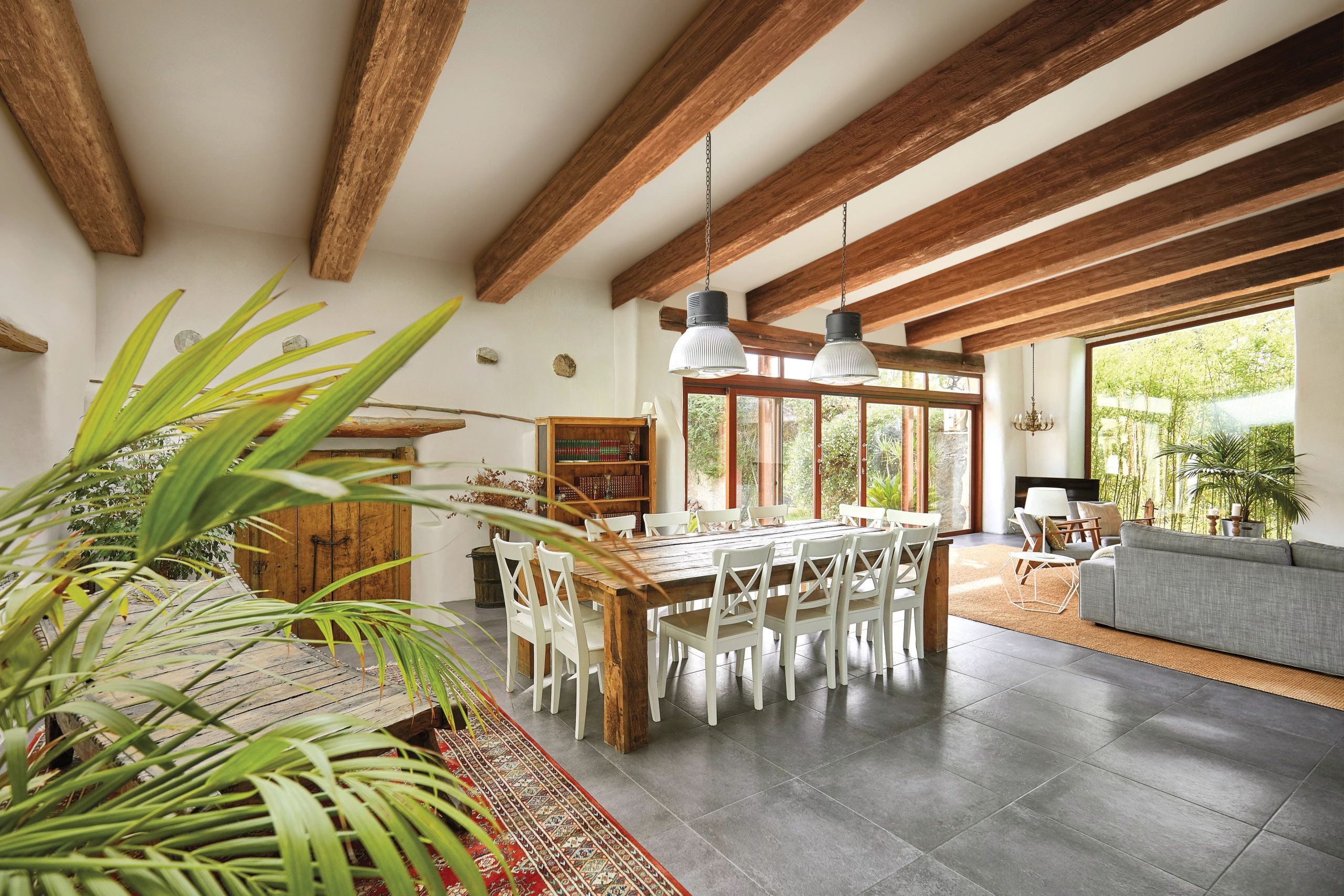
A plain kitchen ceiling can make the whole room feel unfinished, even after new cabinets, better lighting, and fresh paint. A smart ceiling beam installation changes that fast because it gives the eye a path across the room instead of leaving a flat white lid overhead. The good news is that you do not need heavy lumber, attic framing work, or a major remodel to get the look. Lightweight faux wood beams let you add warmth, depth, and structure while keeping the project realistic for many American homes.
The trick is planning the beam layout like part of the kitchen, not like trim pasted on at the end. Sightlines, ceiling height, cabinet spacing, lighting, and vent locations all matter. If you collect ideas from home improvement planning resources before you start, you will notice one thing: the best kitchens use beams to calm the room, not crowd it. Done well, faux wood ceiling beams can make a standard builder-grade kitchen feel more settled, more personal, and more expensive than it was.
Read the Room Before You Choose the Beam Style
A beam project starts long before the first cut. The ceiling may look empty, but it already has a lot going on. Recessed lights, smoke alarms, HVAC registers, pendant boxes, crown molding, and cabinet tops all compete for space. Your job is to make the beams look intentional instead of forced into whatever gaps remain.
The common mistake is picking a beam color first. That feels fun, but it can trap you. A dark beam that looked rich online may feel heavy in an 8-foot kitchen with upper cabinets. A pale beam that seemed relaxed may disappear next to white walls and light oak floors. The better move is to read the room from floor to ceiling and let the kitchen tell you how bold the beams can be.
Match Beam Scale to Ceiling Height and Cabinet Lines
Start with height. In many U.S. homes, kitchen ceilings sit at 8 or 9 feet. That does not leave much room for deep beams. A 6-inch beam can look handsome in a vaulted space but squat in a compact ranch kitchen. For a lower ceiling, a slimmer profile often works better because it adds shadow without making the room feel compressed.
Cabinet lines help too. If your upper cabinets stop short of the ceiling, beams can make that gap feel planned. If the cabinets reach the ceiling, the beams need enough breathing room so the crown and cabinet doors do not look crowded. In a suburban Ohio kitchen with 9-foot ceilings, for example, two medium-toned beams running across the island can frame the prep zone without fighting tall pantry cabinets.
Here is the counterintuitive part: fewer beams often look richer. A ceiling packed with lines can make an average kitchen feel busy. One pair placed in the right direction may do more than five beams placed for drama. Empty ceiling space is not failure. It gives the beams authority.
Choose a Finish That Belongs With the Kitchen, Not the Trend
Beam finish should connect to something already in the room. It does not need to match perfectly. In fact, perfect matching can feel stiff. A slightly warmer tone can bridge white cabinets and tan flooring. A weathered finish can soften black hardware. A smooth walnut look can make shaker cabinets feel less plain.
Lightweight faux wood beams come in many finishes, from hand-hewn rustic surfaces to cleaner modern profiles. For a farmhouse kitchen, a rougher grain may feel right. In a newer townhome with quartz counters and flat-panel doors, a cleaner texture usually wins. Faux wood ceiling beams should support the kitchen’s mood, not announce a separate theme.
Pay attention to undertones. Gray-brown beams can turn muddy beside creamy cabinets. Orange-brown beams may clash with cool white counters. Bring home samples if the seller offers them, and check them in morning light and evening light. Kitchen lighting changes color more than people expect.
Plan the ceiling beam installation Around Structure, Safety, and Services
A good plan keeps the project from becoming a ceiling repair job. Beams may be decorative, but they still need a secure mount. They also need to work around electrical boxes, ducts, sprinklers, and old paint. This is where the project becomes less about style and more about patience.
American homes vary a lot. A 1990s drywall ceiling in Arizona is not the same as a 1920s plaster ceiling in New Jersey. A condo may have fire-rated assemblies or HOA limits. A rental may not allow ceiling changes at all. Before you order materials, confirm what you can fasten into, what you must avoid, and where a licensed pro should step in.
Find Joists, Mark Services, and Respect Old Surfaces
Most faux beams mount over wood blocking or cleats attached to ceiling joists. That means you need to locate the framing, not guess. Use a stud finder, confirm with small pilot holes where appropriate, and mark joist direction with painter’s tape. If the joists run the wrong way for your preferred beam direction, you can often add a continuous mounting board across several joists, then fasten the beam to that board.
Do not ignore what may be above the drywall. Recessed lights have housings. Island pendants have electrical boxes. HVAC registers have duct boots. A beam that looks perfect on paper can block airflow or crowd a fixture. In a Florida kitchen with a central air register over the island, shifting two beams by three inches may save the whole layout.
Older homes need extra care. The EPA says renovation work in many pre-1978 homes can involve lead-based paint concerns, so homeowners should follow lead-safe practices or hire certified help when disturbing painted surfaces. EPA lead-safe renovation guidance is worth reading before cutting, sanding, or drilling into old painted ceilings.
Decide When DIY Makes Sense and When to Hire Help
This project can be DIY-friendly, but not every kitchen is a fair match. A simple rectangular room with drywall, clear joist access, and no ceiling fixtures in the way is one thing. A kitchen with plaster, sloped ceilings, wiring changes, or beams crossing pendant lights is another.
The weight of lightweight faux wood beams helps, but it does not remove the need for safe work. You will still be overhead, often on a ladder, holding long pieces while trying to keep alignment. NIOSH ladder guidance points out that ladder work carries fall risk, and kitchen projects add their own awkward angles because counters and islands limit where the ladder can sit.
A second person is not optional for long beams. They steady the far end, watch your line, and reduce the chance of twisting the beam while fastening. That alone can protect the finish. It also keeps you from making the most common DIY mistake: rushing the last few screws because your arms are tired.
Install the Beams So They Look Built In
The difference between “nice idea” and “that came with the house” is usually in the layout and fastening details. Beams should sit straight, meet walls cleanly, and relate to the kitchen zones below them. You are not decorating the ceiling. You are giving the room a frame.
This is also where lightweight material pays off. Real wood can move, bow, and demand heavier support. Faux options are easier to handle, and many are hollow, which lets them cover cleats or hide small ceiling imperfections. Still, easy material can produce sloppy results if the layout is casual.
Dry-Fit Everything Before Adhesive or Screws
Dry-fitting is the quiet step that saves the loud regret. Put the beams in place before final fastening. Check whether the ends meet the walls cleanly. Look at the beams from the main entry, from the sink, and from the island stools. A line that measures square can still look off if the room itself is not square.
Many kitchens have small ceiling waves. Drywall seams, old settling, and past repairs can make a beam rock slightly. Do not try to crush the beam tight against every dip. Shim the cleat where needed, then caulk the final hairline gaps. The goal is visual steadiness, not brute force.
Mark the centerlines, then mark the beam edges with low-tack tape. This helps you keep the piece aligned while fastening. For a galley kitchen, run beams across the narrow width to slow the tunnel effect. For an open kitchen, running kitchen ceiling beams parallel to the island can make the island feel anchored without adding another piece of furniture.
Fasten Cleats Solidly and Hide the Work
Most hollow faux beams need wood cleats inside the beam cavity. The cleats attach to joists or to a secured mounting board. The beam then slips over the cleats and fastens from the sides. This method hides the structure and keeps the visible surface clean.
Use screws long enough for the ceiling assembly and framing, but do not guess around wiring. If a beam crosses near a light box, shut off power before inspection work and call an electrician when anything needs moving. A beam should never pinch cable, cover an overheating fixture, or trap access to a junction box that must remain reachable by code.
Adhesive can help reduce movement, but it should not be the only thing holding an overhead beam. Heat, humidity, and ceiling texture can weaken the bond over time. Mechanical fastening is the real support. The adhesive is backup, not the plan.
Finish the Ceiling Beam Layout Like a Kitchen Detail
Once the beams are up, the project is not finished. This final stage decides whether the beams feel like part of the architecture or weekend trim. Caulk, touch-up paint, lighting balance, and nearby decor make a bigger difference than most homeowners expect.
The ceiling is unforgiving because light grazes across it. Gaps show. Crooked edges show. Dust shows too. But the finish phase is not about making every line invisible. It is about making the right lines feel deliberate and the wrong lines disappear.
Handle Gaps, End Caps, and Wall Transitions Cleanly
Small gaps where beams meet the ceiling can be handled with paintable caulk if the beam finish allows it and the joint is narrow. For wider gaps, trim strips or scribed end pieces may look better. Avoid packing huge gaps with caulk. It shrinks, attracts dust, and tells on the whole project.
Wall transitions deserve care. If the beam dies into crown molding, decide whether the beam should stop before the crown, notch around it, or meet a small block detail. Each choice can work, but mixing them around the room looks careless. In a kitchen with crown over cabinets on one side and open wall on the other, a small painted return block can make both ends feel resolved.
End caps matter on faux beams because the hollow core may be visible at the end. Factory caps often look best, but stained or painted custom caps can work when matched well. Stand back before calling it done. The view from the next room is often the one guests notice first.
Let Lighting and Decor Support the Beams
Lighting can make or break the beam effect. Recessed lights too close to beams may cast hard shadows. Pendant lights may need longer rods or slight repositioning so they do not look trapped between beam lines. Under-cabinet lighting can help balance a darker ceiling feature by keeping the work surface bright.
The non-obvious move is to edit the room after the beams go up. You may need fewer rustic signs, fewer open-shelf pieces, or simpler bar stools. Lightweight faux wood beams already add texture. If every other surface tries to compete, the kitchen can feel themed instead of lived in.
Use nearby materials to echo the beams lightly. A wood cutting board, woven shade, or warmer floor mat can connect the ceiling to the room without matching. For more ideas that help the whole space work together, use kitchen lighting placement tips and open kitchen layout ideas as planning notes before you buy final fixtures or decor.
Conclusion
A beam project works best when it starts with restraint. The goal is not to prove that the ceiling has been decorated. The goal is to make the kitchen feel more settled, warmer, and better framed than it did before.
That is why planning matters more than speed. You need the right scale, a finish that belongs with your cabinets and floors, safe mounting, and clean transitions at walls and fixtures. A ceiling beam installation can look expensive without being heavy or structural, but only when the layout respects the room below it. Lightweight faux wood beams give homeowners a practical path to that result.
Measure twice, test the view from every doorway, and do not let a trendy photo overrule your own ceiling height. When the beams feel like they were always meant to be there, the kitchen gains character without losing comfort. Start with the room you have, then build the ceiling detail that makes it feel complete.
Frequently Asked Questions
How much do faux wood beams cost for a kitchen ceiling?
Costs vary by beam length, profile, finish, and brand. Many homeowners spend less than they would on real wood because hollow faux beams are lighter and easier to ship. Labor can cost more than the material if the ceiling needs electrical changes or repair work.
Are lightweight faux wood beams strong enough for kitchens?
They are strong enough for decorative use when mounted to secure cleats or blocking. They are not structural beams, so they should never support cabinets, lighting loads, swings, storage, or framing. Treat them as finish material that still needs solid overhead fastening.
Can I install kitchen ceiling beams over popcorn texture?
Yes, but the texture can make gaps and uneven lines more visible. Scraping the beam path, adding a flat mounting strip, or using trim at the edges can give a cleaner result. Test older textured ceilings for safety concerns before disturbing the surface.
What direction should beams run in a small kitchen?
Run them in the direction that improves the room’s shape. Across a narrow galley, beams can make the space feel less tunnel-like. Parallel to an island, they can frame the main work zone. Tape the layout first and view it from the entry.
Do faux wood ceiling beams need to match the floor?
No. Matching every wood tone can feel stiff. A beam finish should relate to the floor, cabinets, hardware, or furniture, but it can be lighter, darker, or warmer. The best rooms look connected rather than copied from one sample board.
Can ceiling beams be installed around recessed lights?
Yes, but spacing matters. Beams placed too close to recessed lights can create harsh shadows or block the light spread. Keep fixtures accessible, avoid covering electrical boxes, and bring in an electrician if any light needs to be moved.
Are faux beams better than real wood beams for DIY projects?
For many homeowners, yes. Faux beams weigh less, are easier to cut, and often fit over mounting cleats. Real wood brings natural character, but it can be heavy, warped, costly, and harder to fasten safely on a finished ceiling.
How do I make faux beams look more realistic?
Choose the right scale, avoid overly dramatic grain, and finish the edges cleanly. Realism comes from placement more than texture. A simple beam in the right spot often looks better than a bold one that ignores lights, cabinets, and ceiling height.