A home can look expensive and still feel cold. That is why Life In Lodge Trends are gaining attention from homeowners who want rooms with warmth, weight, and a sense of retreat without turning every corner into a mountain cabin display. The best lodge-inspired homes do not shout with antlers, plaid overload, or fake nostalgia. They breathe through timber, stone, firelight, wool, worn leather, and colors that seem pulled from soil after rain.
This design direction works because people are tired of rooms that photograph well but do not hold them well. A lodge mood gives the home a slower pulse. It asks for touchable surfaces, calm lighting, grounded furniture, and spaces that welcome muddy boots, long dinners, quiet mornings, and late-night talks. For readers building ideas, sharing projects, or exploring design-focused publishing resources such as home inspiration platforms, the heart of this trend is simple: make the room feel lived in before it tries to look styled.
Life In Lodge Trends That Favor Comfort Over Display
The strongest lodge homes no longer chase a themed look. They care more about how a room behaves when people actually use it. A living room with deep seating, layered lamps, and a stone hearth can feel richer than a room filled with expensive objects that nobody wants to touch.
Cozy lodge interiors with rooms that welcome real life
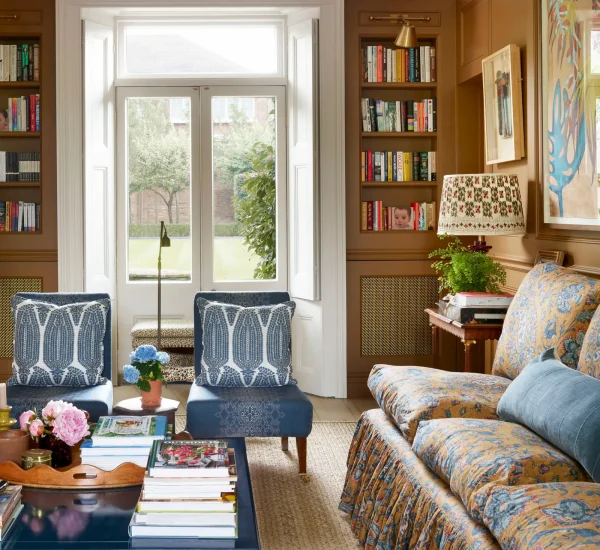
Cozy lodge interiors begin with furniture that invites weight. A narrow sofa with stiff arms may look neat in a photo, but it does not belong in a room meant for long evenings. Better choices include low lounge chairs, oversized cushions, ottomans that can hold books or tired feet, and tables sturdy enough for coffee rings without panic.
Texture carries more comfort than decoration ever will. A wool throw across a leather chair, a thick rug under the seating group, and linen curtains that soften the window can change the whole emotional temperature of a room. The goal is not clutter. The goal is softness with backbone.
A practical example makes this clear. A family room with white walls, a black television, and a gray sectional can feel flat until you add a timber coffee table, shaded lamps, woven baskets, and a rug with earthy movement. Nothing dramatic happens, yet the room starts to settle. That is the quiet power of cozy lodge interiors.
Lodge home design that works beyond the living room
Lodge home design often gets trapped in the living room, but the mood becomes stronger when it moves through the whole house. An entryway with a wooden bench, iron hooks, and a stone tray for wet shoes sets the tone before anyone reaches the sofa. It tells guests this home has room for weather, movement, and use.
Bedrooms need a lighter hand. Heavy timber everywhere can turn restful space into a themed set. A better approach uses one strong anchor, such as a wood bed frame, a wool blanket, or a shaded bedside lamp, then lets the rest stay calm. The room should feel protected, not packed.
Kitchens also respond well to lodge home design when the details stay honest. Open shelves, matte hardware, soapstone counters, clay bowls, and warm wood stools bring a grounded quality without making the kitchen look old-fashioned. A lodge kitchen should make you want to cook soup, cut bread, and stay longer than planned.
Materials Are Becoming the Main Character
Comfort sets the mood, but material choice gives the home its voice. Flat finishes and imitation surfaces rarely carry the emotional depth people want from this style. The new lodge direction respects grain, patina, roughness, and small flaws because those qualities make a home feel awake.
Natural home materials that age with grace
Natural home materials create trust because they do not pretend. Wood darkens. Leather softens. Stone marks slightly over time. Linen wrinkles. These changes are not failures; they are proof that the room is participating in daily life.
A reclaimed wood dining table offers a useful lesson. Its dents and color shifts do not need hiding because they make new scratches less dramatic. Families gather around it with less fear. Guests lean in more freely. The surface becomes part of the memory of the house, not a fragile object everyone must protect.
Natural home materials also help balance modern construction. Many newer homes have smooth drywall, wide glass, and open plans that can feel exposed. Adding oak beams, slate flooring near an entry, clay tile in a kitchen, or wool underfoot gives those homes weight. The space stops feeling temporary.
Rustic modern decor without the costume effect
Rustic modern decor succeeds when rustic pieces and cleaner lines challenge each other. Too much rustic detail can feel heavy. Too much modern restraint can feel sterile. The sweet spot lives between the two.
A black metal stair rail beside pale oak floors gives the home a crisp edge. A carved wooden mirror above a plain plaster wall gives it soul. A modern sofa paired with a battered trunk can work because one piece brings discipline while the other brings story. The friction is the point.
Bad rustic modern decor usually fails through overacting. Fake barn doors, mass-produced signs, and overly distressed furniture can make a home feel staged. Choose fewer pieces with better presence. One hand-thrown lamp beats six decorative objects trying to say the same thing.
Color, Light, and Pattern Are Getting Quieter
Once the materials feel right, color and light decide whether the home feels restful or restless. The newer lodge mood steps away from loud cabin clichés. It prefers low-contrast palettes, layered glow, and patterns that sit in the room instead of performing for attention.
Earth-led palettes for lodge home design
Color should feel like it came from outside the window. Moss, bark, smoke, oat, rust, clay, charcoal, cream, and muted green create a base that feels steady without becoming dull. These shades also let wood and stone look natural rather than forced.
A dining room painted in soft mushroom with dark wood chairs can feel more inviting than one covered in bright white paint. The room gains intimacy because the walls stop reflecting every bit of light back at you. Dinner feels slower. Conversation feels easier.
Lodge home design benefits from restraint here. You do not need five accent colors fighting for attention. Choose one deep tone, one warm neutral, and one shadow color, then repeat them through fabrics, art, rugs, and small pieces. Repetition builds calm.
Warm lighting for cozy lodge interiors
Lighting can ruin a lodge room faster than the wrong sofa. Bright overhead light flattens texture, exposes every corner, and makes stone look harsh. Warm layered light lets the room hold mystery, which every lodge-inspired home needs.
The best plan uses lamps at different heights. A floor lamp beside a chair, a table lamp near the sofa, sconces around a fireplace, and low pendants over a dining table create small pools of light. People naturally gather where the glow feels kind.
Cozy lodge interiors also need shadow. That may sound strange, but full brightness removes depth. A room should have corners that feel quiet and surfaces that catch light unevenly. Firelight, amber bulbs, and fabric shades add that softness without making the space feel dim.
The New Lodge Home Is Personal, Not Perfect
A polished lodge room can still feel empty if it lacks personal marks. The trend is moving away from showroom perfection and toward homes that reveal memory, habit, and local character. The most appealing spaces feel collected over time, even when the design plan is new.
Rustic modern decor shaped by place
Place matters more than theme. A lodge-style home near pine woods should not copy one near the desert, the coast, or farmland. The smartest rooms borrow from their surroundings through color, material, and mood.
A house near rocky hills might use slate, iron, dark timber, and stormy blues. A home near open fields may lean into oak, flax, clay, and cream. Both can feel lodge-inspired, yet neither needs to copy the other. Good rustic modern decor listens before it speaks.
This is where many homeowners make the wrong turn. They buy a full set of matching lodge furniture and wonder why the room feels false. A better plan starts with the view, the climate, and the way the family lives. Design grows from there.
Natural home materials paired with personal objects
Natural home materials become stronger when paired with objects that carry meaning. A wool blanket from a trip, a handmade bowl, a framed trail map, old family tools, or a stack of worn books can give the room a pulse that new purchases cannot create.
Personal does not mean messy. A few chosen objects beat crowded shelves every time. Leave space around them so they can speak. A single carved box on a stone mantel may hold more presence than a row of generic decor.
Life In Lodge Trends work best when the home feels rooted in actual living, not a shopping list. The point is not to copy a lodge. The point is to borrow its emotional intelligence: shelter, warmth, texture, and the deep relief of coming inside.
Conclusion
The future of lodge-inspired homes belongs to people who understand restraint. Heavy wood, warm light, honest materials, and generous furniture can shape a room, but the magic appears only when those choices serve daily life. A home should not feel like a vacation rental pretending to have history. It should feel like a place where history can begin.
Life In Lodge Trends remind you that comfort is not a decorative style; it is a design standard. Start with the room where your family gathers most, remove anything that feels fake or fragile, and add one material, one light source, and one personal object that make the space feel more grounded. Build from that honest beginning. A home becomes memorable when it stops trying to impress strangers and starts taking better care of the people inside it.
Frequently Asked Questions
What are the top lodge trends for homes right now?
Warmer materials, deeper seating, earthy color palettes, layered lighting, and personal objects are leading the direction. The strongest homes avoid heavy themes and focus on comfort, texture, and rooms that feel useful from morning to night.
How can I create cozy lodge interiors without making my home dark?
Use warm lamps, lighter wood tones, cream fabrics, and soft rugs to balance deeper accents. Keep walls muted rather than gloomy, and let natural light stay open during the day. A lodge mood should feel sheltered, not cave-like.
What natural home materials work best in lodge home design?
Wood, wool, stone, leather, linen, clay, and iron all work well because they age with character. Choose materials that feel good to touch and can handle daily use without looking damaged after a few months.
How do I make rustic modern decor look updated?
Pair clean-lined furniture with textured, older-looking pieces. A modern sofa can sit beside a reclaimed wood table, or a plain plaster wall can hold a carved mirror. The contrast keeps the room fresh instead of themed.
What colors are best for a lodge-inspired home?
Earth-based colors work best, including moss green, clay, rust, bark brown, charcoal, oat, cream, and muted stone shades. These colors support wood and natural textures while keeping the home calm and grounded.
Can lodge home design work in a small house?
Small homes can handle lodge design when the choices stay edited. Use one strong material, warm lighting, compact furniture, and layered textiles. Avoid oversized pieces and heavy decor that make rooms feel crowded.
What is the easiest way to start with cozy lodge interiors?
Begin with lighting and texture. Add a warm table lamp, a wool throw, a grounded rug, and one wood or stone piece. These changes shift the mood faster than repainting the whole house or buying new furniture.
How do I avoid making lodge decor look outdated?
Skip fake signs, matching furniture sets, and forced cabin props. Choose natural materials, useful pieces, and objects tied to your own life. The room will feel current when it looks personal rather than copied.