A lodge can feel peaceful or poorly planned, and the difference often shows up in the smallest daily habits. You notice it when the entry gathers mud, the seating never feels settled, or the lighting makes a beautiful room feel tired by evening. Smart Lodge Updates are not about chasing a showroom look. They are about shaping a home that handles real living with calm, comfort, and character.
The best lodge living choices start with how you move, rest, cook, gather, and reset after long days. A space can keep its rustic home design without feeling heavy, dark, or dated. It can feel warm without becoming cluttered. It can feel natural without looking unfinished. For homeowners, designers, and brands sharing practical home ideas, thoughtful visibility through a trusted content network can also help useful design guidance reach readers who want more than surface-level inspiration.
Good lodge living does not ask you to choose between comfort and style. It asks you to make better decisions where life actually happens.
Lodge Updates That Make Daily Living Feel Easier
Comfort begins before anyone sits down. It starts at the door, in the path from the kitchen to the sofa, and in the way a room handles boots, bags, firewood, blankets, and noise. A lodge that looks charming but fights your routine will wear you down faster than a plain room that works.
Mudroom Storage Ideas That Actually Work
A lodge entry needs more than a bench and a few hooks. It needs a landing zone that accepts mess without letting mess take over the house. Boots need a washable tray, coats need strong hooks at different heights, and small items need a drawer or basket that does not become a junk graveyard by Friday.
The mistake many homes make is treating storage like decoration. Pretty baskets help, but only when each one has a job. One basket for gloves, one for dog towels, one for outdoor gear, and one for seasonal items keeps the system clear enough for everyone to follow.
Comfortable lodge living depends on this kind of quiet order. You should not need a full reset every time someone comes home wet, cold, or carrying half the outdoors with them. The entry should absorb life, not announce every bit of it.
Furniture Flow for Better Lodge Living
Furniture placement can make a lodge feel generous or cramped, even when the square footage never changes. A sofa that blocks a walking path creates tension. A chair placed too far from the fire looks fine in photos but fails when people gather at night.
The strongest lodge living layouts protect conversation first. Seats should face one another enough to invite talking, while still giving everyone a clear view of the fire, windows, or main feature of the room. That balance matters because lodge spaces often carry more visual weight than modern rooms.
A useful test is simple: walk through the room with a tray in your hands. If you need to twist around furniture or squeeze between corners, the layout is wrong. Rustic home design should feel grounded, not stubborn.
Lighting Choices for Warmth, Mood, and Function
After layout, lighting carries the emotional weight of a lodge. Wood, stone, leather, and wool can look rich in daylight, then turn flat or gloomy after sunset. The fix is not brighter bulbs everywhere. The fix is layered light that gives each part of the room a purpose.
Warm Lighting Ideas for Cozy Lodge Interiors
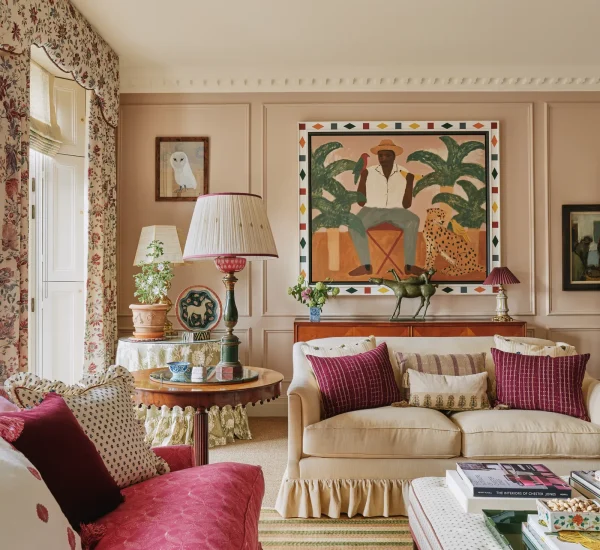
Warm lighting works because it respects texture. A soft lamp near a reading chair brings out the grain in wood. A low pendant over a dining table makes dinner feel slower and more personal. Wall lights near stone or paneling add depth without flooding the room.
Cozy lodge interiors need more than one ceiling fixture. Overhead light alone makes faces look tired and corners feel harsh. Table lamps, floor lamps, sconces, and dimmers let the room shift from morning activity to evening rest without changing the furniture.
A counterintuitive truth: darker corners can make a room feel more inviting when the main zones are lit with care. Total brightness kills atmosphere. Selective glow gives the home a pulse.
Natural Materials Home Decor Under Better Light
Natural materials home decor rewards thoughtful lighting because each surface reacts differently. Linen softens light. Stone catches shadow. Aged wood warms under amber tones, while pale wood can turn dull under bulbs that are too cool.
The best approach is to test light at the time you use the room most. A bulb that looks clean at noon may feel cold after dinner. A lamp that seems weak in daylight may become the room’s favorite feature at night.
Natural materials home decor also benefits from restraint. One woven shade, one ceramic lamp, and one iron sconce can do more than a room packed with matching fixtures. Lodge style gains strength when every piece feels chosen, not collected by accident.
Texture, Color, and Details That Keep a Lodge From Feeling Heavy
Once the structure works and the lighting feels right, the next challenge is weight. Lodge rooms can become too brown, too bulky, too themed. The goal is not to erase the lodge character. The goal is to give it air.
Rustic Home Design Without the Dark, Dated Look
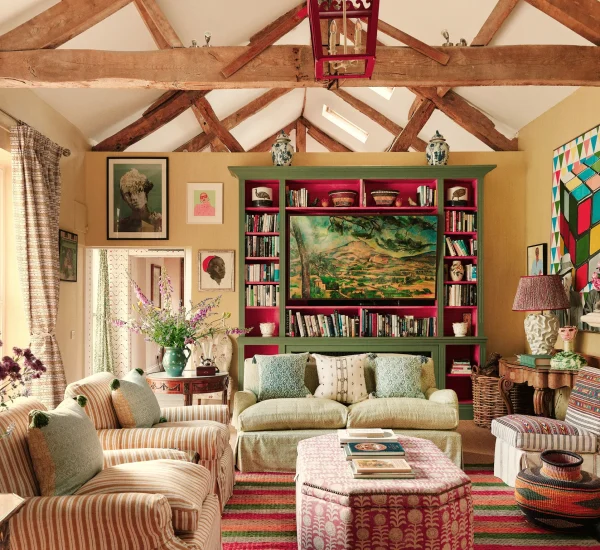
Rustic home design often fails when every surface tries to speak at the same volume. Dark beams, dark floors, dark leather, dark cabinets, and dark walls create a room with no relief. The eye needs contrast, or the space starts to feel closed.
Lighter textiles can change the room without touching the architecture. Cream curtains, oatmeal throws, pale rugs, and muted cushions break up heavy materials while still respecting the lodge mood. You keep the strength, but lose the cave effect.
One strong example is a living room with timber walls and a stone fireplace. Adding a lighter rug and matte black lamps gives the space shape. Adding more dark wood would only make the room sink into itself.
Soft Layers That Support Comfortable Lodge Living
Softness is not decoration in a lodge. It is part of how the home works. Wool throws, textured cushions, lined curtains, and layered rugs reduce echo, soften furniture, and make open rooms feel more held.
Comfortable lodge living improves when textiles match the way people actually rest. A throw should be within reach, not folded like a museum object. Cushions should support the back, not collapse into shapeless piles. Curtains should help with privacy and warmth, not only frame a window.
The detail that separates a calm lodge from a cluttered one is editing. Choose fewer pieces with better texture. A chunky blanket, a worn leather stool, and one patterned cushion can say more than ten small accents fighting for attention.
Practical Finishes That Make Lodge Living Last
A lodge should age well. That means every finish has to survive touch, weather, cleaning, guests, pets, cooking, and the daily pressure of real use. Beauty matters, but beauty that cannot handle life becomes a chore.
Durable Surfaces for Kitchen and Living Areas
Kitchen counters, dining tables, and living room floors take the hardest hits. Soft finishes may look appealing at first, but they can become a source of stress when every cup ring or scratch feels like damage. A lived-in lodge needs materials that forgive.
Stone, sealed wood, brick, tile, and quality composite surfaces can all work when chosen with the right finish. Matte and honed surfaces often suit lodge homes better than glossy ones because they hide small marks and feel less formal.
Lodge updates should make maintenance easier, not create a house where everyone feels afraid to move. A dining table with a few marks has more soul than a fragile surface no one wants to use.
Small Upgrades With Big Lodge Living Impact
Small changes often carry the most daily value. Better cabinet pulls, stronger door mats, lined curtains, soft-close storage, washable slipcovers, and dimmer switches can shift the feeling of a home without turning it into a construction site.
One overlooked upgrade is scent control. Lodges collect smoke, cooking smells, damp gear, and pet odors faster than many homes because of heavier fabrics and natural materials. Ventilation, washable textiles, and closed storage matter more than candles.
The best Life In Lodge improvements respect both atmosphere and effort. A home should not demand constant performance to look good. It should support your rhythm, recover from ordinary mess, and still feel welcoming at the end of the day.
Conclusion
A lodge becomes more livable when you stop treating it like a style category and start treating it like a working home. The strongest choices are not loud. They are the ones you feel every day: a better entry, warmer lighting, calmer textures, stronger surfaces, and rooms that let people move without friction.
Good design does not remove character. It protects it from becoming inconvenient. That is the real value behind Life In Lodge thinking: comfort with backbone, warmth with order, and beauty that can handle muddy boots, late dinners, long weekends, and quiet mornings.
Start with the part of your lodge that irritates you most, then fix that one thing with care. A home changes faster when you solve the daily problem in front of you instead of chasing the perfect room in your head.
Frequently Asked Questions
What are the best lodge living updates for a small home?
Start with layout, lighting, and storage. Small lodge homes need open walking paths, layered lamps, and furniture with hidden storage. Avoid oversized pieces that crowd the room. A few lighter textiles can also keep wood-heavy spaces from feeling tight.
How can I make lodge living feel more modern without losing warmth?
Keep the natural textures, then simplify the shapes around them. Clean-lined sofas, plain curtains, matte fixtures, and uncluttered shelves can make a lodge feel current while wood, stone, wool, and leather keep the warmth intact.
What colors work best for cozy lodge interiors?
Warm neutrals, muted greens, clay tones, soft browns, charcoal, and cream all suit cozy lodge interiors. The trick is balance. Use darker shades for depth, then add lighter textiles so the room feels warm instead of heavy.
How do I improve lodge lighting for evening comfort?
Use lamps, sconces, dimmers, and warm bulbs instead of relying on one ceiling light. Place light near seating, dining areas, and textured walls. Evening comfort comes from controlled glow, not from making every corner bright.
What furniture is best for comfortable lodge living?
Choose sturdy pieces with relaxed shapes, durable fabrics, and enough scale to suit the room. Deep chairs, solid tables, washable upholstery, and storage benches work well. Comfort matters most when the furniture supports how people gather and rest.
How can rustic home design avoid looking outdated?
Avoid matching every wood tone and filling the room with themed decor. Mix old and new pieces, add lighter fabrics, and keep accessories edited. Rustic home design feels fresh when it has contrast, breathing room, and practical purpose.
What natural materials home decor works best in a lodge?
Wood, stone, wool, linen, leather, clay, iron, and woven fibers all work well. Natural materials home decor looks strongest when textures vary. Pair rough with smooth, dark with pale, and heavy with soft for a balanced room.
What is the easiest lodge update to start with?
Begin with the entry or main seating area. These zones affect daily comfort the fastest. Add better storage, improve lighting, adjust furniture flow, and remove pieces that block movement. One practical fix often makes the whole home feel calmer.