A lodge can feel peaceful on day one and frustrating by day three if comfort has not been planned with care. The difference rarely comes from luxury; it comes from smart choices that make daily living feel calm, warm, and easy. Good Life In Lodge Tips begin with the small things you touch, use, and notice every hour: the chair near the fire, the blanket at the foot of the bed, the lamp beside the reading corner, and the quiet place where muddy boots stop being everyone’s problem. Comfort grows when a lodge works with its setting instead of fighting it. Through thoughtful home living ideas, you can turn a rustic space into a place that feels grounded, personal, and ready for long stays. The goal is not to make a lodge look staged. The goal is to make it feel lived in without becoming messy, cozy without becoming heavy, and simple without feeling bare.
Building a Lodge Layout That Supports Daily Ease
Comfort starts long before you choose pillows or rugs. A lodge layout either helps your day move smoothly or creates small irritations that build up faster than most people expect. You feel it when the entryway has nowhere for coats, when the seating faces away from the best view, or when the kitchen path forces everyone to step around each other during breakfast. The smartest lodge living ideas treat movement, warmth, and rest as one connected system.
Cozy lodge interiors that begin at the entrance
The entrance sets the emotional temperature of the whole place. A lodge needs a landing zone because outdoor life follows people inside: boots, wet jackets, gloves, bags, firewood, and the odd trail of pine needles. Ignoring that reality does not make the home cleaner. It only moves the mess deeper into the rooms where you want peace.
Strong cozy lodge interiors usually begin with practical storage that does not look like storage. A bench with space underneath, hooks at different heights, a washable runner, and a basket for scarves can solve more comfort problems than a new sofa. The best entryways feel forgiving. They let people arrive tired, cold, or distracted without turning the first five minutes indoors into a cleanup job.
A useful trick is to divide the entry into “dirty,” “drying,” and “ready” zones. Boots stay low, damp outerwear gets air, and everyday pieces sit where they can be grabbed without thinking. That sounds plain, but plain systems are often what make a lodge feel relaxing. A beautiful room that cannot handle real life becomes work wearing nice clothes.
Rustic home comfort through better room flow
A lodge should pull people toward rest without blocking practical movement. Seating works best when it faces the strongest natural feature, whether that is a fireplace, a mountain view, a window full of trees, or a long dining table where everyone gathers late. People do not relax when chairs feel randomly placed. They relax when a room quietly tells them where to settle.
Rustic home comfort depends on space between objects as much as the objects themselves. Leave room for people to walk with mugs, blankets, books, and plates without squeezing past sharp corners. A lodge often hosts slow living, but slow living still needs clear paths. Crowded rooms look full in photos and feel tiring in person.
One grounded example is the common mistake of placing every seat against the wall. It may create floor space, but it often kills conversation. Pulling two chairs closer to the fireplace and angling a sofa toward them creates a pocket of warmth that feels intentional. The room becomes less like a display and more like a place where people naturally stay longer.
Best Life In Lodge Tips for Warmth, Texture, and Light
Once the layout works, atmosphere carries the next layer of comfort. Warmth is not only temperature. It is what your eyes read, what your hands touch, and how the room changes from morning to evening. A lodge that feels cold often lacks texture and layered light, even when the heater works. The strongest warm lodge design choices create depth without clutter.
Warm lodge design with layered materials
Wood alone does not make a lodge warm. Too much exposed wood can feel flat, dark, or heavy unless softer textures balance it. Wool, linen, leather, stone, woven baskets, aged metal, and thick cotton each bring a different kind of comfort. The mix matters because your body reads texture faster than your mind does.
Warm lodge design works best when every surface has a role. A wool rug softens sound, a leather chair handles years of use, linen curtains filter hard light, and a stone hearth anchors the room. None of these choices need to shout. In fact, the quieter they are, the more natural the space feels.
The counterintuitive part is that comfort often improves when you remove one decorative item instead of adding another. A room with three rich textures and clear breathing room usually feels better than a room with fifteen small accents competing for attention. The eye needs somewhere to rest. So do you.
Mountain lodge decor that avoids theme overload
Mountain lodge decor can go wrong fast when every object tries to announce the setting. Antlers, plaid, bear prints, carved signs, and faux-rustic pieces can turn a calm home into a souvenir shop. A lodge does not need to perform wilderness. It needs to respect it.
Better mountain lodge decor borrows from the land in quieter ways. Use colors found outside the window: bark brown, moss green, fog gray, stone beige, deep evergreen, dry grass, and the black of wet branches after rain. These tones settle into a room naturally because they already belong to the place.
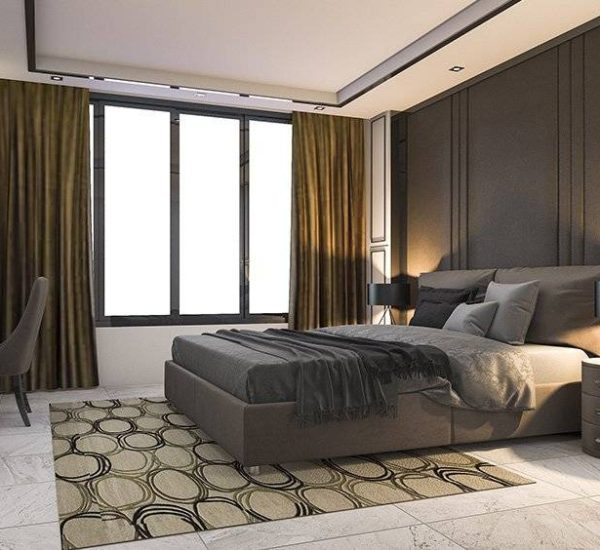
A strong example is a bedroom with plain linen bedding, a dark wooden side table, a wool throw, and one framed local landscape. That room says lodge without costume. The restraint feels confident. Comfort often comes from trusting the setting instead of decorating over it.
Making Private Spaces Feel Restful and Useful
Public rooms carry the energy of gathering, but private spaces decide whether a lodge stay feels restorative. Bedrooms, bathrooms, reading corners, and small nooks deserve as much thought as the main room. People need places where they can withdraw without feeling cut off. That balance gives a lodge its emotional depth.
Cozy lodge interiors for better sleep
Sleep in a lodge should feel heavier, calmer, and less interrupted than sleep in a busy home. That begins with controlling light, temperature, and clutter. Bedrooms do not need dramatic styling. They need reliable comfort that works every night.
Cozy lodge interiors in sleeping areas benefit from layered bedding rather than one thick cover. A breathable base, a warm blanket, and an extra throw let people adjust through changing temperatures. Lodge weather can shift quickly, and a bedroom should not force anyone to choose between overheating and shivering.
Lighting matters more than most people admit. One overhead bulb can make a bedroom feel harsh, even if every textile is soft. Bedside lamps, warm bulbs, and curtains that block early glare create a room that slows the body down. Sleep starts before you close your eyes.
Rustic home comfort in bathrooms and quiet corners
Bathrooms in lodges often get treated as purely functional spaces, but they can either extend the calm or break it. Cold floors, poor hooks, weak lighting, and nowhere to place dry clothes create tiny annoyances that feel bigger in a retreat setting. A bathroom does not need spa drama. It needs warmth underfoot, good towels, and a dry place for everything.
Rustic home comfort also lives in small corners that do not have an obvious purpose. A chair near a window, a narrow shelf for books, or a lamp beside an unused alcove can create a retreat inside the retreat. These spaces matter because not every moment in a lodge is social. Some of the best ones are quiet.
A practical move is to create one “pause spot” away from the main seating area. It might hold a chair, a side table, and one soft blanket. That is enough. A lodge becomes more comfortable when it gives people permission to be alone without leaving the home.
Practical Lodge Habits That Keep Comfort Going
A comfortable lodge is not finished when the decorating ends. It stays comfortable because the daily habits match the space. Firewood needs a place. Blankets need rotation. Food storage needs order. Cleaning tools need to be easy to reach, not hidden so well that no one uses them. Good lodge living ideas are as much about maintenance as mood.
Warm lodge design that handles changing seasons
Seasonal comfort requires flexible choices. A lodge that feels perfect in winter can feel heavy in summer if every texture, color, and layer points toward cold weather. The solution is not to redesign the space every season. The solution is to create a core that stays stable while the outer layers shift.
Warm lodge design can adapt through removable pieces: lighter curtains in warm months, heavier throws in cold months, washable slipcovers, and rugs that can be swapped or rolled away. The fixed elements, such as wood furniture and stone features, stay consistent. The room changes its clothing, not its identity.
This is where restraint pays off again. A lodge packed with seasonal decorations becomes another chore. A lodge with smart base materials and a few movable layers stays comfortable with less effort. The best spaces do not demand constant attention to keep working.
Mountain lodge decor with storage that looks natural
Storage is the hidden backbone of comfort. Without it, even beautiful rooms slide into disorder. Lodge life brings bulky items, and bulky items need honest homes. Blankets, board games, fire tools, boots, pantry goods, and outdoor gear cannot survive on wishful thinking.
Mountain lodge decor can include storage without making the room feel utilitarian. Trunks, woven baskets, wall pegs, built-in benches, and closed cabinets all fit the lodge mood when chosen with care. The trick is to store items close to where they are used. Blankets near seating. Games near the table. Fire gloves near the hearth. Extra towels near the bath.
A lodge feels peaceful when cleanup is almost automatic. That is not glamorous, but it is powerful. The easier it is to reset a room, the more often people will do it, and the less comfort depends on someone constantly managing the space.
Comfort in a lodge is built through choices that respect real life. Style matters, but style should serve the way you enter, sit, sleep, cook, gather, and recover after a long day outside. The best Life In Lodge Tips do not chase a perfect cabin image. They shape a home that welcomes wet boots, quiet mornings, long dinners, early nights, and slow weekends without strain. Start with one area that irritates you every time you use it, then fix that before buying anything decorative. A better hook, lamp, chair angle, rug, or blanket system can change the whole rhythm of the space. Choose warmth with discipline, texture with restraint, and storage with honesty. Make the lodge easier to live in, and beauty will follow with far less effort. Your next step is simple: walk through your lodge like a guest arriving tired, then improve the first thing that would make that person feel cared for.
Frequently Asked Questions
What are the best life in lodge tips for small spaces?
Choose furniture with more than one purpose, keep walkways clear, and use wall storage wherever possible. Small lodges feel comfortable when every item earns its place. A bench with storage, folding dining chairs, and layered lighting can make a compact space feel calm instead of cramped.
How can cozy lodge interiors feel warm without looking cluttered?
Focus on texture instead of quantity. Wool, linen, wood, leather, and stone add warmth without crowding the room. Keep surfaces simple, use fewer decorative objects, and repeat natural tones throughout the space so everything feels connected rather than busy.
What makes rustic home comfort different from normal home comfort?
Rustic comfort has to handle more contact with nature. Mud, cold air, heavy coats, firewood, and outdoor gear all affect how the home works. The space needs durable materials, easy storage, warm lighting, and furniture that invites use instead of feeling too precious.
How do I create warm lodge design on a budget?
Start with lighting, textiles, and layout before replacing major furniture. Warm bulbs, secondhand wool blankets, simple curtains, and better seating placement can shift the mood quickly. Budget lodge design works best when you improve comfort first and decorate afterward.
What mountain lodge decor should I avoid?
Avoid over-themed pieces that make the room feel staged. Too many signs, animal prints, fake rustic finishes, or matching cabin sets can flatten the character of the home. Choose natural materials and local colors instead of objects that loudly announce a mountain theme.
How can I make a lodge bedroom more relaxing?
Use layered bedding, soft bedside lighting, blackout curtains, and a clear surface beside the bed. Keep storage simple so clothes and bags do not take over the room. A restful bedroom should feel quiet, warm, and easy to use at night.
What are simple lodge living ideas for families?
Create clear zones for coats, boots, games, snacks, and quiet time. Families relax more when everyone knows where things belong. Durable rugs, washable covers, labeled baskets, and a large dining table can make lodge life smoother without making the space feel rigid.
How often should lodge decor be updated?
Update small seasonal layers two or three times a year, but keep the main pieces steady. Swap throws, cushions, curtains, or entry mats as weather changes. A lodge feels more settled when its foundation stays consistent and only the comfort layers shift.