Black streaks and green patches on a roof can make a good house look tired before anything is wrong inside. The safer answer is not a hard blast of water or a wild mix from a hardware aisle. Roof algae and moss removal works best when you treat the growth first, protect the shingles, and let time do part of the job. That matters for American homeowners in humid areas like Georgia, the Carolinas, the Pacific Northwest, the Great Lakes, and shaded parts of New England. Algae stains are often cosmetic at first, but moss is different. It traps moisture, lifts edges, and gives wind-driven rain more places to work. A careful plan beats panic every time. If you manage home maintenance, roofing content, or local service research, a trusted home improvement publishing resource can also help you shape better questions before hiring a contractor. The goal is simple: clean the roof without shortening its life. That means soft application, slow kill, gentle rinsing, and smart prevention.
Why Roof Growth Starts Before Shingles Look Old
Most roof growth starts long before a homeowner notices it from the driveway. A shaded north-facing slope may hold dew after the front lawn has already dried. Leaves collect behind skylights. Pine needles sit in valleys. The roof becomes a damp surface, and growth follows the moisture. The tension is that the roof still looks solid, so people wait. Then one spring, the streaks seem to appear all at once.
Black Streaks Are Usually Not Dirt
Those dark roof stains are often blue-green algae, not soot or common dirt. It spreads through the air, lands on shingle surfaces, and shows up more on sections that dry slowly. In many USA neighborhoods, you can see it hop from one roof to the next on the same side of the street.
Here is the part many homeowners miss: algae does not always mean the roof is failing. A five-year-old roof in humid Florida can show streaks while the shingles still have plenty of service life. The stain looks dramatic because it forms a dark shield against sunlight, not because the shingle has suddenly collapsed.
That is why roof stain treatment should start with diagnosis. If the shingles are flat, the granules are still present, and the roof is not leaking, you are likely dealing with surface growth. Treat the organism. Do not attack the roof.
Moss Holds Water Like a Wet Towel
Moss is heavier trouble. It grows in clumps, and those clumps hold water against the roof after rain. On an asphalt roof in western Washington, that damp cushion can sit under tree shade for hours. Over time, moss can creep into shingle laps and lift the edges enough for debris and water to collect.
The non-obvious point is that ripping off living moss can do more harm than leaving it for a short time while treatment works. Moss grips the rough granule surface. Pull hard, and the granules may come with it. Those granules are not decoration. They protect the asphalt layer from sun and weather.
A better plan is patient. Kill or loosen the moss, wait for it to dry and break down, then remove what releases with light brushing or low-pressure rinsing. It feels slower, but the roof pays you back.
Safe Roof Algae and Moss Removal Without Granule Loss
Roof Algae and Moss Removal should feel almost boring when done right. No roaring machine. No person carving lines into shingles with a pressure wand. No worker dragging tools upward against the shingle edges. The safe method is calm because asphalt shingles are layered, and the top layer is easy to scar.
Why Pressure Washing Is the Wrong Tool
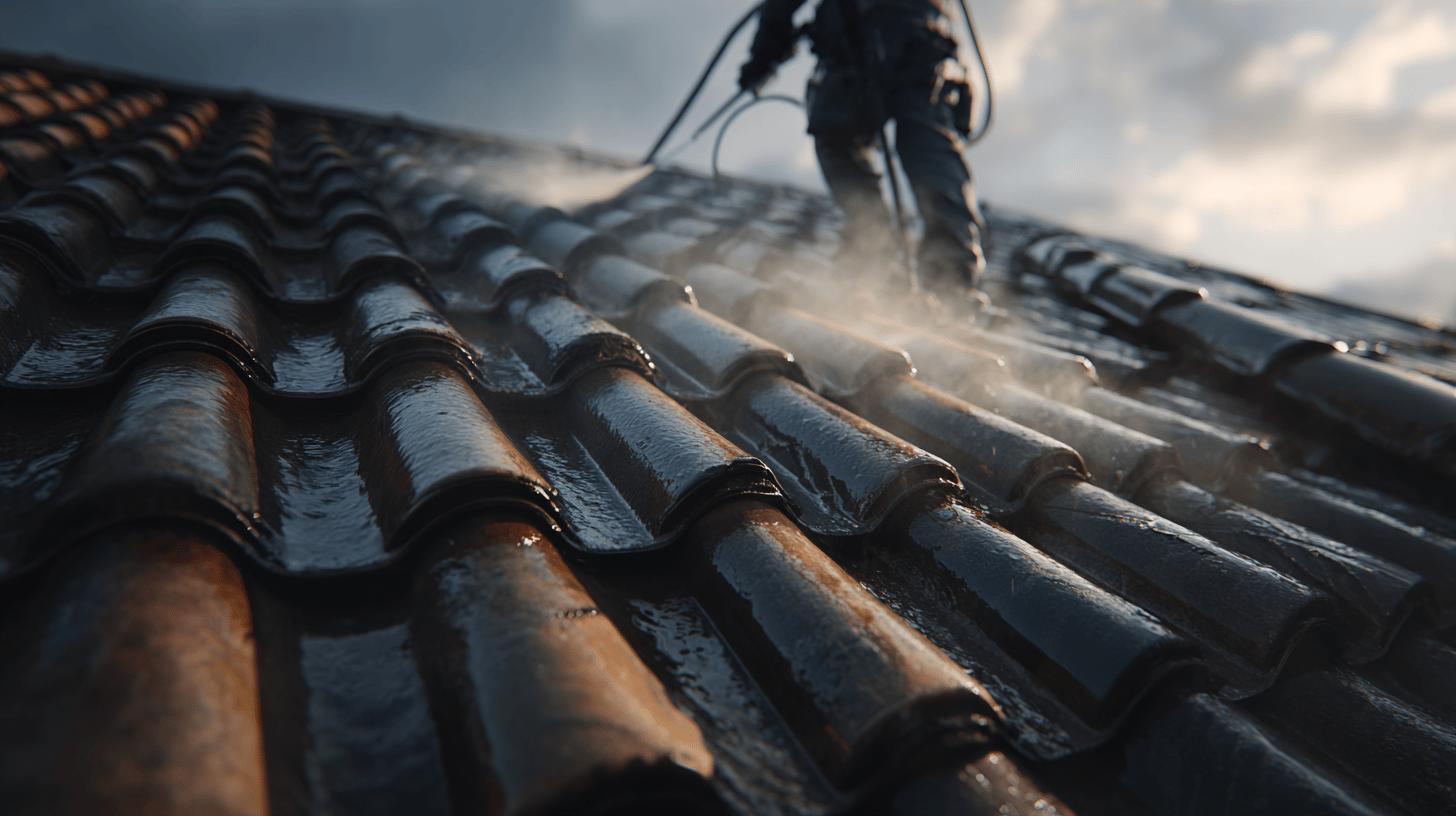
A pressure washer can make a roof look cleaner in one afternoon, which is why it tempts homeowners. The damage is less visible. High pressure can knock loose granules, drive water under laps, and leave the roof with a sanded-down look after the surface dries.
Think of shingles like a protective coat with armor stitched into the outside. If you blast away the armor, the coat still hangs there, but it will not age the same way. A roof can look “clean” and still be worse off by evening.
The better question for any contractor is simple: what pressure will touch the shingles? If the answer sounds like driveway cleaning, stop the job. The official GAF technical advisory on roof algae staining recommends garden-sprayer application, dwell time, and low-pressure water, while warning against power washing.
Soft Washing Is Not a Free Pass
Soft washing can be safe, but only when it means low-pressure application and a controlled cleaner. Some companies use the phrase as a sales label while still using strong mixes, rushed rinsing, or careless runoff. The words alone do not protect your shingles.
A sensible soft wash for asphalt shingles starts with wetting nearby plants, covering delicate shrubs when needed, applying the cleaner from a stable position, and letting it sit long enough to work. Then comes a low-pressure rinse, not a blast. Some algae may keep fading after rain and sun finish the job.
For homeowners comparing bids, ask for the actual method in plain English. “We spray, dwell, and rinse low” is better than “we make it look new fast.” Fast can be expensive later.
Choosing Cleaners That Kill Growth Without Punishing the Roof
Cleaning chemistry matters, but more chemical does not mean more care. A roof is not a patio slab. The right cleaner targets organic growth while keeping runoff, plants, gutters, and metal fixtures in mind. This is where many DIY jobs go sideways.
Bleach-Based Mixes Need Control
Many shingle makers and roof cleaners use diluted sodium hypochlorite because it kills algae and moss growth well. The mistake is treating bleach like magic. Too strong, too long, or poorly rinsed, it can harm landscaping and stain surfaces below the roofline.
A practical homeowner in suburban Atlanta might have hydrangeas under the eaves, aluminum gutters, painted shutters, and a small koi pond near the downspout. That roof needs more than a spray bottle. It needs plant soaking before and after, runoff control, and a plan for where rinse water travels.
This is also why roof moss removal is not the same as cleaning a fence. You are working above everything else on the property. Gravity is part of the job. Ignore it, and the plants will tell on you by next week.
Store-Bought Moss Killers Are Not All Shingle-Friendly
Some products are made for roofs. Others are made for sidewalks, decks, or masonry. That difference matters. A granule-covered asphalt shingle can react poorly to harsh scrubbing, oily residues, or cleaners meant for hard ground surfaces.
Read the label before buying anything. Look for asphalt shingle use, application limits, safety steps, and weather timing. Avoid products that require aggressive brushing to work. Also avoid any cleaner that needs high-pressure removal afterward, because the removal step may become the damaging part.
A quieter insight: the best cleaner is often the one that lets you do less. If the product kills growth and allows dead moss to loosen over several weeks, that may protect the roof better than a same-day “perfect” finish. A roof is not a kitchen counter. It does not need instant sparkle.
Prevention Beats Repeated Cleaning
Once the roof is clean, the smarter work starts. If you do not change the damp conditions, the growth will return. That does not mean you failed. It means the roof is still shaded, still catching debris, and still staying wet longer than it should.
Let Sun and Air Do More Work
Tree trimming is roof care, even though it does not sound like roofing. Overhanging branches drop leaves and needles, shade shingles, and slow drying after rain. You do not need to strip the yard bare. You need enough light and airflow to help the roof dry.
In a typical Ohio neighborhood, one maple limb over the garage can create a moss line that matches the shadow almost perfectly. Remove or thin that limb, clear the valley, and the cleaning schedule changes. The roof spends fewer hours wet, so growth has less time to settle in.
Clean gutters matter too. When gutters overflow, water can splash back onto lower shingle edges and fascia. That damp border becomes a welcome mat for algae and moss. Simple maintenance often beats another chemical round.
Metal Strips Help, But They Are Not Magic
Copper and zinc strips can slow algae and moss when rain washes small amounts of metal down the roof. They work best near the ridge and on cleaner roofs. They do not erase thick moss overnight, and they may not protect every inch of a long slope.
The surprise is that these strips are more like prevention than removal. Homeowners sometimes install them after years of buildup and expect a bare roof by fall. That is not realistic. Treat the growth first, then use metal strips to reduce comeback pressure.
Algae-resistant shingles can also help when a roof is due for replacement. Many modern asphalt shingles include copper-containing granules or algae protection warranties. That choice makes more sense in humid parts of the USA, where staining is not a rare event.
Conclusion
A roof does not need harsh cleaning to look cared for. It needs respect for how shingles are built and how moisture behaves. The safest path is to identify the growth, avoid pressure, apply the right cleaner with care, and give dead moss time to release. Roof Algae and Moss Removal is less about force and more about restraint. That may feel strange when the stains are ugly and the neighbors can see them, but restraint protects the granules that protect the roof. Before hiring anyone, ask about pressure, plant protection, runoff, and whether the method matches asphalt shingles. If the roof has curled shingles, heavy granule loss, leaks, or thick moss covering large areas, bring in a roofer before cleaning. A clean roof is useful only when the roof underneath is still sound. Choose the method that keeps it that way.
Frequently Asked Questions
What is the safest way to remove moss from asphalt shingles?
Kill or loosen the moss first, then remove only what releases easily with light brushing or low-pressure rinsing. Avoid scraping, pulling, and pressure washing. Thick moss may need more than one treatment before it lets go without taking granules with it.
Can I pressure wash roof algae off my shingles?
No. Pressure washing can remove protective granules and may drive water under shingle laps. It may look effective at first, but the hidden surface damage can shorten roof life. Low-pressure application and gentle rinsing are the safer choices.
Does bleach damage asphalt shingles?
Diluted bleach-based cleaner can be used on many asphalt roofs when applied and rinsed properly. Problems come from strong mixes, long dwell times, poor runoff control, and plant exposure. Always follow shingle-maker guidance and protect landscaping before spraying.
How long does moss take to fall off after treatment?
Dead moss may loosen over several weeks, not minutes. Rain, sun, and drying cycles help it break apart. Heavy patches may need a second treatment or careful hand removal later. Waiting often protects shingles better than forcing a same-day result.
Are black streaks on my roof mold?
They are often blue-green algae, not household mold. The streaks usually appear on damp, shaded roof areas and may spread across nearby roofs through airborne spores. A roofer can confirm whether the staining is cosmetic or linked to deeper roof wear.
Will zinc or copper strips stop moss forever?
They can reduce future growth, but they do not guarantee a moss-free roof. Their effect depends on roof shape, rain flow, shade, and strip placement. They work best after existing moss is treated and the roof is kept clear of debris.
Should I clean roof moss myself or hire a pro?
Hire a pro if the roof is steep, high, wet, fragile, or heavily covered. Roof moss is slippery, and falls are a serious risk. DIY work only makes sense on safe, low sections where you can work without stepping onto dangerous surfaces.
How often should a roof be cleaned for algae and moss?
Clean only when growth needs attention, not on a fixed yearly schedule. A shaded, damp roof may need periodic treatment, while a sunny roof may go years without help. Tree trimming, gutter cleaning, and debris removal can stretch the time between cleanings.