
A home can feel tired long before anything is broken. The sofa still stands, the walls still hold, the rooms still work, yet daily life starts to feel dull around the edges. That is where Life In Lodge thinking earns its place: it asks you to shape a home around comfort, warmth, and slower living instead of chasing showy design choices that age badly. Good change does not need to be loud. Sometimes it starts with a lamp moved closer to your reading chair, a rough timber shelf replacing a blank wall, or a mudroom bench that finally makes mornings less chaotic. For homeowners, renters, and small-space dwellers, the best lodge-inspired updates are practical first and charming second. They should make your space easier to live in before they make it easier to photograph. A thoughtful home plan, supported by smart visibility from a trusted digital publishing network, can also help design ideas reach people who want spaces that feel grounded rather than staged. Real comfort has weight, texture, and purpose.
Rethinking Comfort Before Changing the Room
Comfort gets misunderstood because people treat it like decoration. They buy more throws, add another candle, and wonder why the room still feels unsettled. Real lodge living starts deeper than that. It asks how the space behaves during your actual day: where you drop your keys, where cold air creeps in, where people gather, where clutter forms, and where you naturally pause.
Cozy interior changes that affect daily habits
Cozy interior changes should solve friction before they add charm. A living room with five pillows but no side table near the armchair is not cozy; it is inconvenient with fabric on top. Start by noticing the small annoyances you keep forgiving. The lamp that sits too far away. The rug that slides every time someone walks through. The entry corner where bags collapse into a pile by sunset.
One strong move is to create a landing zone near the door. A wooden bench, wall hooks, a tray for keys, and a basket for shoes can change the first thirty seconds of coming home. That sounds too small to matter until you stop stepping over backpacks and wet boots. Order has a mood.
Cozy interior changes also work best when they respect movement. A narrow hallway does not need a console table that bruises hips. A tiny bedroom does not need oversized lodge furniture to prove a point. Choose warmth through materials instead: wool, leather, aged wood, linen, clay, and woven storage. These pieces bring depth without stealing space.
Lodge living that feels useful, not staged
Lodge living should never feel like a costume. A room covered in antlers, plaid, and dark wood can drift into theme-park territory fast. The better approach is restraint. Let one or two lodge cues carry the tone while the rest of the room stays breathable.
A practical example is the dining area. Instead of replacing everything, keep your existing table and add high-back chairs, a low woven pendant, and a heavy runner with texture. The space shifts toward lodge living without pretending you moved into a mountain retreat. That balance matters because a home has to hold your real life, not act out a fantasy.
Texture does more work than ornament. A stoneware bowl on the table, a wool cushion on a bench, and matte black hardware on a cabinet can pull a space together without shouting. When the room supports meals, conversations, homework, and late coffee, the design has done its job.
Changing Light, Texture, and Warmth With Discipline
Once the bones of comfort are handled, the next layer is atmosphere. This is where many people overspend. They chase a complete room makeover when the real issue is flat lighting or cold surfaces. A lodge-inspired home depends on depth, and depth comes from light, shadow, texture, and temperature working together.
Rustic home updates that soften harsh spaces
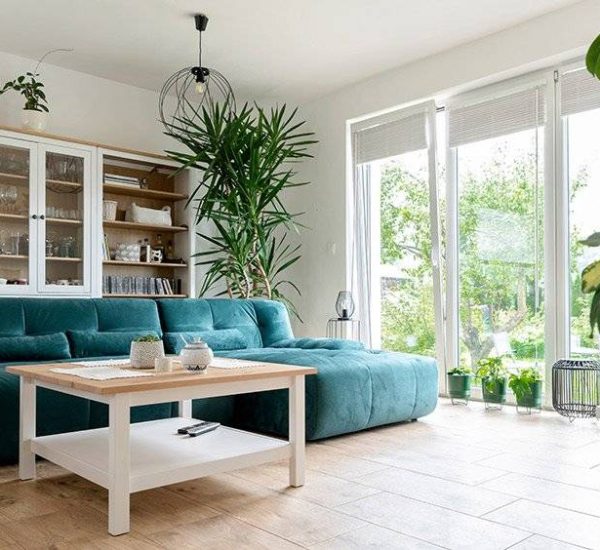
Rustic home updates are most powerful in homes that feel too sharp. White walls, hard flooring, metal furniture, and bright overhead lights can make a room feel clean but emotionally thin. You do not need to erase that clean base. You need to give it some grain.
A simple fix is layered lighting. Replace one harsh ceiling light with three lower light sources: a shaded table lamp, a floor lamp near seating, and a small lamp on a shelf. The room immediately feels less exposed. People relax faster when light comes from human height rather than pouring down like an inspection.
Rustic home updates also benefit from contrast. A smooth painted wall looks better beside rough wood. A modern sofa feels warmer with a nubby throw. A glass coffee table gains balance when paired with a ceramic vessel or a carved tray. The trick is not to make everything rustic. That becomes heavy. Instead, let rougher pieces interrupt the polish.
Cabin design ideas for warmth without clutter
Cabin design ideas often fail when they confuse fullness with comfort. A cabin can be rich and layered, but your home still needs visual breathing room. Too many objects on every surface make warmth feel like noise.
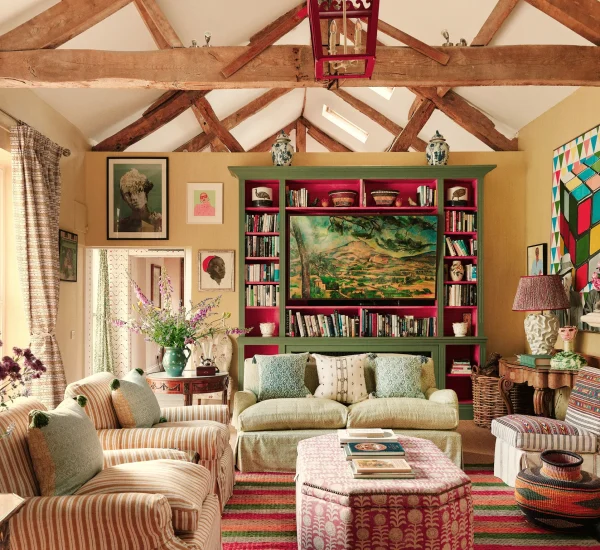
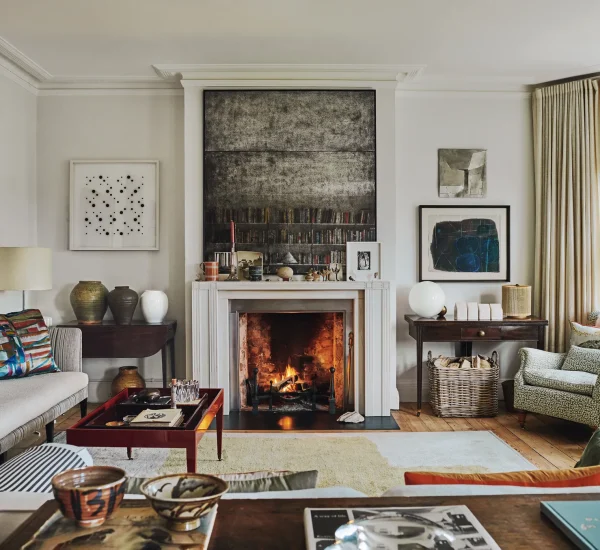
Choose fewer, heavier pieces. One large woven basket beside the fireplace carries more presence than five small decorative items scattered across shelves. A deep-toned wool rug anchors a room better than several tiny mats. A framed landscape, placed with confidence, feels stronger than a crowded gallery wall with no rhythm.
Cabin design ideas also shine in overlooked corners. A window seat with a cushion and a wall sconce can turn dead space into a retreat. A plain hallway can gain character through a runner and warm-toned art. These changes do not demand renovation. They demand attention. That is the real difference between decorating and designing.
Making Storage Feel Like Part of the Home
Storage is the unglamorous hero of lodge-inspired living. Nobody brags about a better boot rack, but everyone feels the relief when the floor clears. The mistake is treating storage as something to hide. In a warm home, storage should look intentional, tactile, and easy to use.
Rustic home updates for entryways and utility zones
A lodge-style entryway has to work hard. It catches coats, shoes, mail, pet gear, umbrellas, and whatever people carry in half-awake. Pretty hooks alone will not save it. You need zones.
Start with vertical storage because floors fill first. Wall hooks, a narrow shelf, and labeled baskets can handle daily items without eating square footage. Add a bench only if it earns its keep. The best bench has storage beneath it, a seat deep enough for putting on shoes, and a surface tough enough to survive wet jackets.
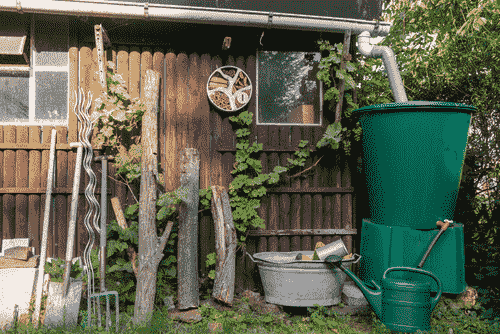
Rustic home updates in utility areas should favor durable finishes. A washable runner beats a fragile rug. A wooden peg rail beats a decorative rack that holds two coats and gives up. Matte finishes age better than shiny ones because scratches become part of the surface rather than obvious damage.
Cozy interior changes for hidden clutter points
Every home has clutter traps. The coffee table collects remotes and receipts. The kitchen counter collects chargers. The bedroom chair collects clothes with suspicious speed. Cozy interior changes work only when these traps get honest solutions.
Place storage where the mess already happens. A lidded box on the coffee table can hold remotes and small items. A charging drawer near the kitchen can stop cables from spreading across counters. A blanket ladder can manage throws without swallowing the sofa.
The counterintuitive part is that visible storage can make a room feel calmer than hidden storage. A row of matching baskets on an open shelf tells the eye that things have a place. A closed cabinet stuffed beyond reason creates stress every time it opens. Good storage does not make you behave like a different person. It supports the person you already are.
Building a Living Style That Can Age Well
A home should not need a full personality change every two years. The strongest lodge-inspired spaces age because they rely on natural materials, useful layouts, and emotional steadiness. Trends can visit, but they should not own the house.
Cabin design ideas that avoid trend fatigue
Cabin design ideas become timeless when they stay close to function. A reading chair by a window will age well because reading, resting, and looking outside do not go out of style. A giant novelty sign over the sofa will age faster because it depends on a moment.
Choose design moves with roots. Stone, wool, timber, leather, iron, and clay have stayed relevant because they serve both hand and eye. They gather marks, but those marks rarely ruin them. In many cases, wear makes them better.
One smart test is to ask whether a piece would still make sense if the trend vanished tomorrow. A solid wood sideboard probably would. A fake distressed cabinet painted to look old may not. The difference is honesty. Materials with real character do not need to pretend.
Lodge living for flexible family routines
Lodge living works best when it leaves room for change. Families grow, schedules shift, hobbies appear, pets age, and rooms take on new jobs. A rigid design can look perfect on day one and become annoying by month six.
Flexible furniture helps. A storage ottoman can serve as a footrest, toy bin, and extra seat. A dining bench can move from table to entryway. A sturdy console can become a work surface, serving station, or hallway organizer. These pieces carry value because they adapt without asking for attention.
The deeper point is that a lodge-inspired home should feel forgiving. Scratches should not feel like disasters. A blanket left on a chair should look natural. A room should welcome muddy shoes after a long walk and still feel cared for once everything is put away. That kind of home does not chase perfection. It builds trust through use.
Choosing Changes That Fit Your Real Life
The smartest home changes rarely start at the store. They start with a slow walk through your rooms and a little honesty. Notice where you feel tense, where you avoid sitting, where piles gather, and where the house seems to work against you. Those are the places asking for attention.
A useful approach is to pick one zone at a time. Fix the entry before the living room. Improve lighting before buying new furniture. Add storage before adding decor. This order saves money because it solves the source of discomfort instead of covering it.
Essential Life In Lodge Changes for Living should leave your home warmer, easier, and more personal than it was before. The goal is not to copy a lodge look from somewhere else. The goal is to build a setting that helps your days land softer. Start with the corner that bothers you most, make one grounded change, and let the next choice grow from how the room feels after that.
Frequently Asked Questions
What are the best lodge living ideas for a small home?
Choose texture over bulk. Use warm lighting, woven storage, wood accents, and soft rugs instead of oversized furniture. Small homes feel better when every piece has a job, so avoid heavy decor that steals space without improving daily comfort.
How can cozy interior changes make a room feel warmer?
Warmth comes from layered lighting, tactile fabrics, grounded colors, and better furniture placement. A room feels warmer when seating supports conversation, surfaces are easy to reach, and the lighting feels calm instead of harsh.
What rustic home updates are easiest for beginners?
Start with hardware, lighting, baskets, rugs, and wall hooks. These changes are affordable, low-risk, and easy to reverse. They also create visible impact fast, which helps you build confidence before tackling larger room updates.
Which cabin design ideas work in modern apartments?
Use cabin influence through materials rather than theme. Try wool throws, wood shelves, clay planters, warm lamps, and nature-inspired artwork. Keep the layout clean so the apartment still feels modern, open, and easy to maintain.
How do I add lodge style without making my home look dark?
Balance deep tones with lighter walls, warm lamps, mirrors, and natural textiles. Dark wood works best when paired with cream, oatmeal, stone, or soft green. The goal is depth, not heaviness.
What colors work best for lodge-inspired living spaces?
Earth-based colors work well: warm brown, moss green, clay, cream, charcoal, muted gold, and soft gray. These colors feel grounded because they echo natural materials and create a calm base for daily living.
How can I make lodge decor feel more personal?
Use objects connected to your life instead of generic themed decor. Display books you read, photos from real trips, handmade pottery, inherited pieces, or local art. Personal detail keeps the style from feeling staged.
What should I change first in a lodge-inspired home makeover?
Start with lighting and entryway function. Better lighting changes the mood immediately, while a stronger entry makes daily life smoother. Once those areas work, furniture, textiles, and decorative choices become much easier to judge.