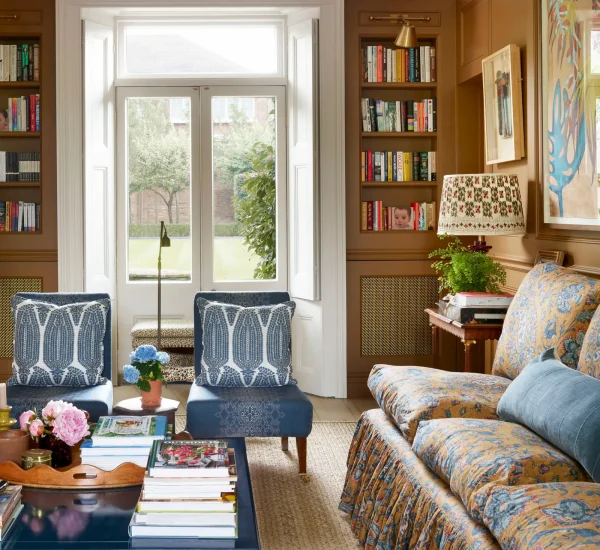
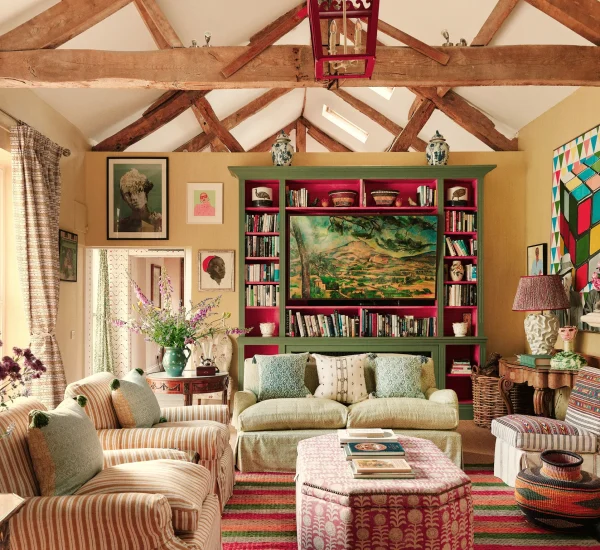
A home can feel expensive and still feel cold. That is the trap many people fall into when they chase trends instead of building rooms that feel lived in, layered, and honest. The best Lodge Decor Tips begin with one clear idea: your home should feel grounded before it feels styled. Lodge-inspired design works because it brings weight, warmth, texture, and calm into everyday spaces without making them look staged. It does not ask you to turn your living room into a mountain retreat. It asks you to make better choices with wood, fabric, lighting, color, and comfort. For homeowners exploring design inspiration, home features, or lifestyle publishing through a trusted digital visibility platform, this kind of interior direction has lasting appeal because it speaks to how people want to live now. You want rooms that welcome muddy boots, slow mornings, quiet evenings, and long conversations. That feeling is not bought in one shopping trip. It is built one thoughtful detail at a time.
Lodge Decor Tips That Begin With Structure, Not Accessories
Good lodge style starts before the pillows, candles, throws, and framed prints enter the room. The bones of the space matter more than the decorative layer because they decide whether everything else feels natural or forced. A plain white box filled with antlers and plaid can feel like a theme restaurant. A room with honest materials, balanced weight, and grounded shapes can feel inviting even before you add a single accessory.
Build Lodge Interiors Around Weight And Balance
Strong lodge interiors usually have a sense of visual gravity. That does not mean every room needs massive beams or dark paneling. It means the larger pieces should feel settled, not fragile. A deep sofa, a sturdy coffee table, a wool rug, or a wide wooden console can anchor the room so smaller details have something to relate to.
One common mistake is filling a space with lightweight furniture and then trying to “lodge it up” with rustic objects. The result often feels scattered. Start with one or two pieces that carry weight, such as a leather armchair near a reading lamp or a reclaimed wood dining table in a bright kitchen. Those choices give the room confidence.
Balance matters because too much heaviness can turn warm into gloomy. Pair a chunky timber table with slimmer chairs. Place a dark cabinet against a wall with lighter paint. Let one bold piece lead, then make the surrounding pieces quieter. That restraint keeps lodge interiors from feeling like a costume.
Let Rustic Home Decor Support The Room
Rustic home decor works best when it feels earned by the room around it. A hand-thrown vase, a woven basket, or an old wooden tray can bring character, but those pieces should not shout for attention. They should look as if they belong there because someone uses them, not because a shelf needed filling.
A good example is the entryway. Instead of hanging five decorative signs about home and family, place a bench with a worn finish, hooks for coats, a boot tray, and one basket for scarves. The space becomes useful first and attractive second. That order matters.
The strongest rustic home decor often has a practical origin. Stoneware holds keys. A wool blanket warms the sofa. A wooden bowl collects mail. When objects serve a purpose, they age better in the eye because they never feel like filler.
Choosing Materials That Make A Home Feel Rooted
Once the structure is right, the materials decide whether the space feels authentic. Lodge style depends on touch as much as sight. Smooth, glossy, synthetic surfaces can drain the warmth from a room, even when the color palette looks correct. The goal is not roughness for its own sake. The goal is texture that makes the room feel connected to the natural world.
Use Natural Home Accents With Restraint
Natural home accents bring life into a space because they break the flatness of modern interiors. Wood grain, stone, linen, clay, iron, rattan, and wool all carry small imperfections that make a room feel less manufactured. Those imperfections are the point.
A living room can shift completely with a few grounded choices: a stone lamp base, linen curtains, a woven basket beside the fireplace, and a low wooden bowl on the table. None of those pieces needs to dominate the room. Together, they soften sharp edges and make the space feel more settled.
Too many natural home accents, though, can turn into clutter. A room does not need every surface covered with branches, pinecones, baskets, and carved objects. Pick fewer pieces and give them room to breathe. One strong natural texture per zone often has more impact than six small ones fighting for attention.
Create Cozy Cabin Style Without Turning The Room Dark
Cozy cabin style often gets misunderstood as dark wood, heavy fabric, and low lighting everywhere. That version can feel charming for one weekend and exhausting by Monday morning. Real comfort needs warmth, but it also needs air.
Keep the palette grounded, then add contrast. Cream walls, warm brown furniture, black metal accents, mossy green textiles, and muted clay tones can create depth without making the room feel closed in. A bedroom with a wood headboard, soft cotton bedding, and a wool throw can feel lodge-inspired without looking like a rental cabin.
The better path is selective mood. Let the reading corner feel tucked in. Let the dining area feel rich and intimate. Let the kitchen stay bright enough for daily life. Cozy cabin style becomes easier to live with when it creates pockets of comfort instead of blanketing the whole home in shadow.
Layering Color, Light, And Pattern With Confidence
A lodge-inspired home needs atmosphere, but atmosphere is not the same as darkness or decoration overload. Color, light, and pattern set the emotional temperature of a room. They decide whether the space feels restful, heavy, flat, or alive. This is where many homes either become memorable or lose their nerve.
Choose Earth Tones That Feel Lived In
Earth tones work because they do not beg for attention. Olive, bark, oat, rust, charcoal, tobacco, cream, slate, and warm gray all sit comfortably beside wood and stone. These colors feel stable because they echo things the eye already trusts.
The trick is choosing tones with depth instead of flat beige. A muddy green cabinet can feel richer than a safe gray one. A rust-colored throw can wake up a brown leather sofa. A clay-toned lampshade can warm a corner without adding visual noise.
A grounded palette also makes seasonal changes easier. In colder months, add heavier textiles and deeper shades. In warmer months, pull back to linen, pale wood, and lighter ceramics. The room keeps its identity while adapting to daily life.
Use Lighting Like A Mood Tool, Not A Ceiling Fix
Lighting can make or ruin lodge style faster than furniture. A single bright ceiling fixture flattens texture and makes even beautiful materials feel harsh. Lodge-inspired rooms need layers of light because texture only comes alive when light moves across it from more than one direction.
Use lamps at different heights. A floor lamp beside a chair, a shaded table lamp near the sofa, under-cabinet lighting in the kitchen, and a warm pendant over the dining table can create a room that changes through the day. That shift feels human.
Bulb temperature matters too. Warm bulbs flatter wood, leather, wool, and stone. Cold bulbs can make the same room feel like a storage unit. The best light feels like it belongs to the hour, not the fixture.
Making Lodge Style Work In Modern Homes
Modern homes often have cleaner lines, smaller rooms, and fewer architectural details than old cabins or mountain lodges. That does not block the look. It only means the design needs sharper judgment. Lodge style should adapt to the home you have, not fight it.
Blend Old Character With New Clean Lines
A modern room can handle lodge influence when the contrast feels intentional. Pair a clean-lined sofa with a rough wood table. Place a black metal mirror above a simple console. Add leather dining chairs to a bright kitchen with flat-front cabinets. The tension between old and new makes the room feel personal.
The mistake is trying to hide modern features under themed decoration. Drywall, recessed lighting, and simple windows are not enemies. They can give rustic materials more breathing room. A rough beam in a plain room often has more power than the same beam in a room already packed with texture.
This blend also protects the home from looking dated. Pure theme rooms age fast. Mixed rooms age slowly because they contain more than one idea.
Design For Real Daily Comfort
A lodge-inspired home should never ask you to suffer for the look. If the sofa scratches, the chairs are stiff, the rug sheds into everything, or the lighting makes reading hard, the room has failed. Comfort is not a bonus here. It is the test.
Think about how the room behaves at 7 a.m., 4 p.m., and 10 p.m. A kitchen stool needs to support breakfast, homework, and late-night tea. A living room throw should be washable enough for use, not folded like museum fabric. A bedroom rug should meet bare feet kindly in the morning.
This is where Lodge Decor Tips become practical rather than decorative. Build from habits, not fantasy. A home that supports your routines will always feel warmer than one built only to photograph well.
Bringing Personality Into Lodge-Inspired Rooms
After the foundation, materials, lighting, and comfort are in place, personality gives the home its final layer. Without it, lodge style can become too polished. The room may look nice, but it will not feel like yours. Personal details should not clutter the design; they should sharpen it.
Display Fewer Objects With Better Stories
Personal objects carry more weight when they are not buried in a crowd. A framed trail map from a trip, a stack of old family books, a handmade bowl, or a photo in a simple wood frame can say more than a shelf full of anonymous decor.
The key is editing. Keep the objects that pull a memory forward and remove the ones that only fill space. A room gains character when every visible item has a reason to stay. That reason does not need to impress anyone else.
A good shelf might hold two books, one ceramic piece, a small framed photograph, and a branch in a tall vase. That is enough. Empty space gives meaningful objects their voice.
Let Imperfection Keep The Home Honest
Perfect rooms often feel strangely lifeless. Lodge-inspired homes need a little wear, a little softness, and a little evidence that people live there. A scratched table, a faded textile, or a leather chair with creases can make the whole room feel more human.
This does not mean accepting mess or neglect. It means choosing materials that age with dignity. Solid wood can take marks. Wool can soften. Leather can deepen in color. Stone can gain patina. These surfaces tell time instead of fighting it.
A home becomes more interesting when it stops pretending every surface must stay new. That is the quiet strength of lodge style: it allows beauty to grow through use.
Conclusion
The best homes do not chase a look; they develop a feeling. Lodge-inspired design works because it brings the room back to things people still crave: warmth, texture, balance, comfort, and a sense of calm that does not feel fragile. You do not need a cabin, a fireplace, or a dramatic mountain view to create that mood. You need better judgment about what belongs in your space and what only adds noise.
The smartest Lodge Decor Tips are not about buying more. They are about choosing pieces that feel grounded, useful, and lasting. Start with one room, remove what feels fake, add texture where the space feels flat, and make lighting kinder before buying another decorative object. Your next step is simple: walk through your home tonight and find the one corner that feels cold, then make it warmer with one honest material, one softer light, and one object that means something.
Frequently Asked Questions
What are the best lodge decor ideas for small homes?
Choose fewer, stronger pieces instead of filling the room with rustic accessories. A compact leather chair, a warm rug, soft lighting, and one wooden surface can create the feeling without crowding the space. Small homes need editing more than decoration.
How can I make lodge interiors feel modern?
Mix clean furniture lines with warmer materials such as wood, wool, leather, and stone. Keep walls lighter, avoid heavy theme pieces, and let rustic texture appear in selected areas. The contrast between simple shapes and natural surfaces keeps the room fresh.
What colors work best for cozy cabin style?
Warm neutrals, olive, rust, cream, charcoal, clay, tobacco, and muted green work well. These shades create comfort without making the room feel flat. Use darker tones in smaller doses so the space stays warm rather than heavy.
How do I add rustic home decor without clutter?
Use objects that serve a purpose, such as baskets, trays, lamps, bowls, hooks, and blankets. Avoid covering every shelf or table with decorative pieces. A few useful items with texture will feel more natural than a room packed with themed accessories.
What natural home accents make the biggest difference?
Wood, linen, wool, stone, clay, iron, and woven fibers add depth quickly. Start with items you touch often, such as rugs, curtains, lamps, bowls, and throws. Texture matters most when it becomes part of daily use.
Can lodge decor work without a fireplace?
A fireplace helps, but it is not required. You can create the same sense of warmth with layered lamps, a grounded seating area, soft textiles, wood tones, and a strong focal point such as artwork, shelving, or a textured wall.
How do I keep lodge decor from looking outdated?
Avoid theme-heavy signs, fake distressing, and matching furniture sets. Choose honest materials, simple shapes, and personal objects instead. A room with restraint, comfort, and mixed textures ages better than one built around a narrow trend.
What is the easiest room to start with for lodge decor?
The living room is usually the best starting point because it already depends on comfort, seating, texture, and lighting. Begin with the sofa area, add a warmer rug, improve the lamps, and bring in one natural material with real presence.