A calm home does not happen by accident. It comes from choices that protect your energy, soften your routines, and make the space feel steady when the outside world is loud. The idea behind Life In Lodge is not about copying a mountain cabin or filling every corner with rustic décor. It is about creating a place that slows your breathing the moment you step inside. Good design can do that when it respects comfort, light, texture, silence, and daily habits. A relaxed home also needs intention, because cluttered beauty still feels like clutter. When you shape your rooms around ease instead of display, the whole atmosphere changes. Even small decisions, like where you place a chair or how warm your evening lighting feels, can shift the way you live. For homeowners, renters, and design lovers exploring better living through trusted lifestyle resources such as home inspiration platforms, the real goal is simple: build a space that helps you return to yourself.
Life In Lodge Starts With How the Home Makes You Feel
A restful home begins before the furniture arrives. It starts with the mood you want your rooms to carry after a tiring day, when your patience is thin and your body wants a softer place to land. Many people decorate from the outside in, choosing what looks impressive first. That approach often creates rooms that photograph well but fail at daily comfort. A better path begins with feeling, then lets the design follow.
Lodge relaxation begins with sensory restraint
Calm rooms do not compete for attention. They let your eyes rest on fewer objects, gentler colors, and materials that feel honest in the hand. Lodge relaxation works best when the room avoids visual noise, because your mind reads busy shelves, harsh lighting, and tangled layouts as small demands.
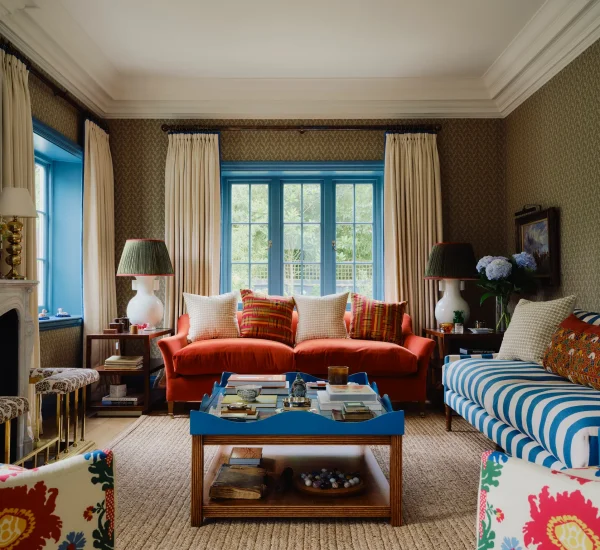
A living room, for example, can feel calmer with one heavy linen sofa, a wooden side table, a wool throw, and a lamp that pools warm light near the seat. That is enough. The point is not emptiness; the point is relief. A room should not ask you to process twenty decorative ideas before you can sit down.
Texture carries more comfort than decoration ever will. Rough timber, soft cotton, matte ceramics, woven baskets, and thick rugs create quiet depth without shouting. Lodge relaxation depends on that kind of depth, because it gives the room substance while keeping the mood low and grounded.
Cozy lodge living needs fewer performance pieces
A home built for ease should not feel like a showroom with pillows nobody can move. Cozy lodge living works when every object has permission to be used. The chair should invite reading. The blanket should be within reach. The coffee table should handle mugs, books, and tired elbows without drama.
One counterintuitive truth matters here: perfect styling can make a room less relaxing. When every item looks arranged for inspection, you start behaving like a guest in your own home. That tension shows up in small ways, like avoiding a certain chair because it “ruins the look” or keeping a table clear even though life keeps happening there.
Comfort improves when the home allows evidence of living. A stack of books beside a chair, a basket for slippers, or a tray that gathers evening tea supplies can make the room feel more human. Cozy lodge living is not messy by nature, but it accepts that rest has tools, rituals, and small traces.
Shape Rooms Around Restful Daily Rituals
Once the mood is clear, the next step is rhythm. A peaceful home supports the way you move through the day instead of forcing you to adapt to awkward corners and pretty but useless arrangements. Relaxation becomes easier when the layout carries your habits quietly in the background.
Relaxing home design should follow your actual routine
Design fails when it ignores the ordinary parts of life. Relaxing home design begins with noticing where you drop your keys, where you read messages, where you drink your first glass of water, and where you end up sitting after dinner. Those patterns are not flaws. They are instructions.
A small bench near the entrance can reduce morning stress more than a decorative console ever could. A lamp beside the chair you already use will do more for comfort than a dramatic pendant in the wrong place. When the space matches your routine, the day feels less jagged.
The trick is to design for the honest version of your life, not the fantasy version. If you never write in a formal study, do not build the room around a desk that collects dust. Put your effort where the habit already exists. Relaxing home design gets stronger when it stops pretending.
Lodge interior ideas work best when zones feel natural
Open rooms often feel attractive at first, but they can become tiring when every activity blends into one another. Lodge interior ideas solve this by creating zones that feel distinct without building walls. A rug can define a sitting area. A low bookcase can soften a transition. A reading lamp can turn one corner into a retreat.
A dining space, for instance, can feel more settled when it has a pendant light, heavier chairs, and a textured runner that signals pause. Nearby, a lounge area can use deeper seating, softer fabrics, and lower lighting. The room stays connected, but your body understands the difference between eating, talking, reading, and resting.
Natural zones also help families and shared homes. One person can read while another prepares tea, and the space does not feel like a single noisy stage. Good lodge interior ideas give each habit a place to breathe, which makes the whole home feel more generous.
Materials, Light, and Color Decide the Emotional Temperature
A home’s mood lives in its surfaces. You can choose the right layout and still miss the feeling if the materials are cold, the light is flat, or the color palette keeps the room tense. This is where many spaces go wrong. They chase a theme instead of building an atmosphere.
Warm materials create quiet confidence
Natural materials age with more grace than shiny substitutes. Wood, stone, leather, linen, clay, rattan, and wool bring a kind of patience into a room. They do not need constant attention. They settle in, gather character, and make the home feel less temporary.
A wooden dining table with small marks often feels better than a flawless glossy one. The marks tell you the table has hosted meals, conversations, rushed breakfasts, and late-night tea. That lived-in quality brings ease because it lowers the fear of damaging the space.
The unexpected part is that warmth does not always mean dark colors. Pale oak, oatmeal linen, soft gray stone, and cream wool can feel as grounded as deeper browns when layered well. The goal is touchable calm, not a heavy lodge cliché.
Light should change across the day
Flat lighting drains the life from a room. Ceiling lights alone make evening spaces feel exposed, especially when the bulbs are cool or too bright. A relaxed home needs layers: task light for reading, soft side light for conversation, and low ambient light for the hours before sleep.
Morning light can stay crisp and open. Evening light should become lower and warmer, almost like the home is speaking more quietly. This shift helps your body understand that the day is closing, which is one of the simplest ways to make your space support rest.
Color behaves differently under each light source, so test paint, fabric, and wood tones at different times of day. A beige wall can feel calm at noon and dull at night. A deep green can feel rich in lamplight but heavy in a dim hallway. Smart choices come from watching the room live for a full day before committing.
Build Relaxation Into Maintenance, Storage, and Longevity
A restful home cannot depend on constant effort. The easier it is to reset, clean, store, and repair, the calmer it feels over time. This is the practical side of comfort, and it matters more than most décor advice admits. Beauty that needs daily protection becomes another chore.
Storage should reduce decisions, not hide chaos
Storage only helps when it matches the way you use things. Deep cabinets full of mixed items create delayed stress, because every search becomes a small excavation. Better storage gives categories a clear home: blankets in one basket, firewood in one rack, board games in one cabinet, daily shoes in one tray.
A relaxed entryway offers a good example. Hooks, a bench, a closed shoe cabinet, and a small bowl for essentials can prevent clutter from spreading into the rest of the home. The setup does not need to look dramatic. It needs to work every single day.
The best systems are almost boring. That is their strength. When storage becomes simple enough to use while tired, the home stays peaceful without demanding discipline you do not always have.
Long-lasting choices protect the calm you create
Cheap pieces can look fine on delivery day, then start wobbling, peeling, or sagging after a season of use. That slow breakdown creates visual irritation and practical frustration. A relaxed home benefits from fewer, better items that can handle real life.
Durability does not always mean expensive. A solid secondhand wooden table can outperform a fragile new one. Washable slipcovers can beat delicate upholstery in a busy household. A wool rug may cost more upfront, but it often ages better than a synthetic one that flattens fast.
This is where Life In Lodge becomes more than a style phrase. It turns into a way of choosing slowly, buying with patience, and refusing objects that add future annoyance. The calmest homes are not the ones filled overnight; they are the ones built with enough restraint to last.
Conclusion
Relaxation at home is not a luxury detail you add after everything else is finished. It is the standard that should guide every choice, from the chair you sit in most often to the light you turn on before bed. A calm space respects your senses, your habits, your time, and your need for quiet recovery. That is why Life In Lodge feels useful beyond décor; it points toward a slower, more honest way to live inside your own walls. Start with one room, remove what creates tension, and add only what makes daily life softer or easier. Do not chase a perfect image. Build a home that welcomes tired shoulders, ordinary evenings, slow mornings, and real use. Choose one corner today and make it easier to rest there.
Frequently Asked Questions
What is the best way to create lodge relaxation at home?
Start by reducing visual noise, softening the lighting, and adding natural textures like wool, wood, linen, and clay. A calm room should feel easy to enter and simple to use. Comfort matters more than filling the space with themed decorations.
How can cozy lodge living work in a small apartment?
Use warm lighting, compact furniture, woven storage, and layered textiles to create depth without crowding the room. Small spaces feel calmer when every item has a purpose. Choose fewer pieces with better texture instead of adding too many decorative objects.
What colors work best for relaxing home design?
Warm neutrals, muted greens, soft browns, clay tones, gentle creams, and smoky blues work well because they calm the eye. Avoid colors that feel too sharp under evening light. Always test paint in morning, afternoon, and night conditions before choosing.
Which lodge interior ideas make a living room feel calmer?
Create a clear seating zone, use low lamps, add a textured rug, and keep surfaces lightly styled. A reading chair, soft blanket, and sturdy side table can change the whole mood. The goal is comfort that looks natural, not staged.
How do I make a bedroom feel more restful?
Keep the palette quiet, remove work-related clutter, and use layered bedding that feels good against the skin. Bedside lighting should be warm and easy to reach. A restful bedroom needs fewer distractions and stronger boundaries from daily stress.
Can rustic décor still feel modern and clean?
Rustic décor feels modern when you use restraint. Choose simple wood shapes, matte finishes, clean-lined furniture, and limited accessories. The space should suggest warmth without turning into a cabin set. Balance rough textures with smooth surfaces and open breathing room.
What mistakes make lodge-inspired rooms feel cluttered?
Too many signs, faux-rustic objects, heavy dark furniture, and matching décor sets can make the room feel forced. Real comfort comes from material quality, good lighting, and practical layout. A few honest textures always beat a room full of themed pieces.
How often should I update a relaxation-focused home?
Update only when something no longer supports your comfort, routine, or sense of ease. Seasonal textile swaps, lighting adjustments, and small storage improvements usually matter more than full redesigns. A relaxed home grows slowly instead of changing for every trend.