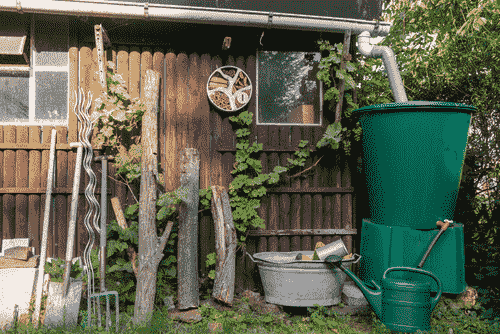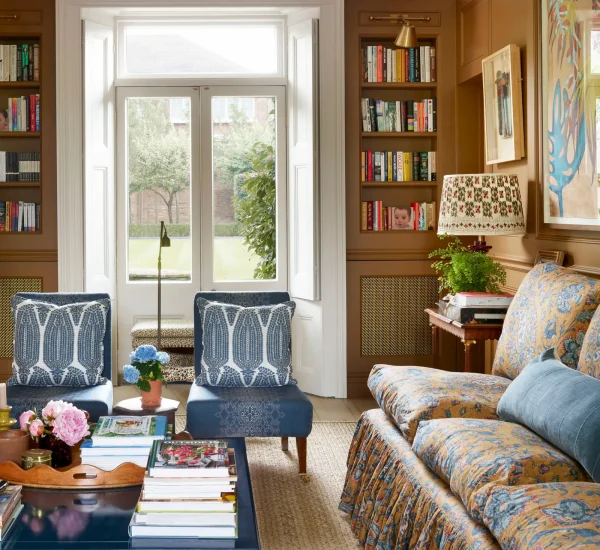
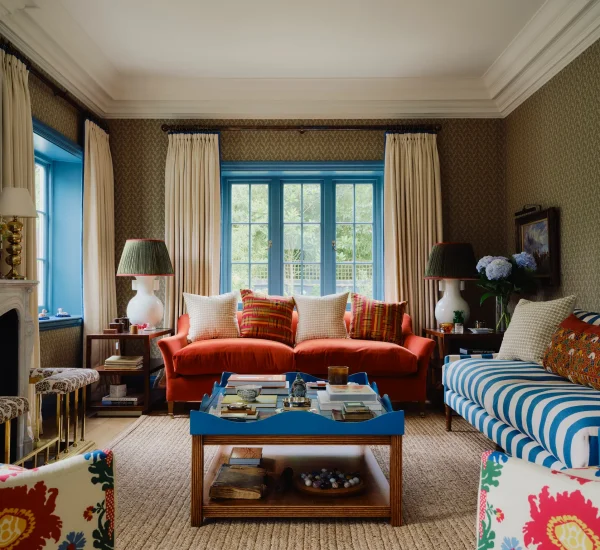
A lodge can feel warm without feeling heavy, rustic without looking dated, and relaxed without turning careless. The best spaces do not shout for attention; they lower your shoulders the moment you walk in. That is the real promise behind smart lodge comfort ideas: creating rooms that feel grounded, useful, and quietly inviting at the same time. You are not chasing a showroom look. You are building a place where wet boots, slow mornings, thick blankets, and long conversations all make sense.
Good lodge living works because it respects how people actually behave at home. You need soft places to land, practical storage that does not ruin the mood, lighting that flatters the evening, and materials that age with dignity. A polished home can still feel cold if it ignores daily life. A lodge-inspired home, done well, does the opposite. It welcomes texture, shadow, warmth, and small imperfections. For readers exploring thoughtful home inspiration through trusted lifestyle resources like interior living ideas, the goal is not to copy a cabin postcard. The goal is to shape comfort that feels personal, steady, and built to last.
Smart Layout Choices That Make a Lodge Feel Calm
Comfort begins before furniture, color, or décor enter the room. It begins with how easily you can move, sit, gather, pause, and put something down without thinking. A lodge-style space fails when it becomes a stage set: too many throws, too much wood, too many objects fighting for the same inch of attention. The smarter path is quieter. Give every room a clear center, enough breathing space, and one emotional purpose. A living room may invite conversation. A bedroom may protect rest. A reading corner may ask nothing from you except five silent minutes.
Cozy lodge living starts with traffic flow
Movement shapes mood more than most people admit. A room can have the right sofa, the right rug, and the right firelight, yet still feel tense if every path is blocked by furniture legs, side tables, or oversized accent chairs. Cozy lodge living works best when the room guides you gently instead of making you negotiate with it.
Place your largest seating pieces where they support connection without trapping anyone. In a lodge living room, a sofa facing a fireplace makes sense, but the chairs should not create a hard wall. Angle them slightly, leave open paths to doorways, and keep at least one surface close enough for a mug, book, or phone. Comfort often comes from removing tiny annoyances before they pile up.
A practical example helps. A narrow lodge lounge with exposed beams may seem perfect for a huge sectional, but that choice can swallow the room. Two deep armchairs, a medium sofa, and a round coffee table often serve better. The room still feels generous, but now people can walk through it without turning sideways. That ease matters. Your body notices it before your mind names it.
Lodge interior design needs intentional empty space
Empty space is not wasted space. In lodge interior design, it can be the difference between warmth and clutter. Wood tones, woven baskets, leather, wool, stone, and layered lighting all carry visual weight. Stack them too tightly and the room starts to feel like a storage shed with expensive taste.
A smarter approach gives strong materials room to speak. Let a stone hearth stand without crowding it with lanterns, signs, and stacked logs on every side. Let a heavy timber table sit under a clean pendant instead of surrounding it with too many decorative pieces. Restraint makes rustic details feel chosen rather than dumped into place.
One counterintuitive move is to leave corners alone. Many people rush to fill every corner with a plant, ladder, chair, or basket. A quiet corner can make the rest of the room feel more settled. Lodge homes already carry depth through texture and shadow. They do not need every blank space corrected. Some spaces should stay still.
Materials That Build Warmth Without Making Rooms Feel Dark
Once the layout feels right, the materials carry the emotional weight. This is where many lodge-inspired homes lose balance. They lean so hard into timber, brown leather, and thick fabrics that the room starts to feel dim by noon. Warmth should not mean heaviness. A welcoming lodge space needs contrast, touchable surfaces, and enough lightness to keep the air moving visually.
Natural home décor works best in layers
Natural home décor should feel collected, not themed. A wool rug, linen curtains, clay lamp, oak bench, and hand-thrown bowl can belong together because they share honesty of texture. They do not need to match. Matching too closely is where the charm dies.
Layering works when each material plays a different role. Wood gives structure. Wool softens sound. Stone adds cool weight. Linen lets light pass through. Leather brings age and use. When those elements appear in measured doses, the room feels alive without looking busy. The secret is not buying more natural pieces. The secret is assigning each one a job.
Think of a breakfast nook with a wooden table, rush-seat chairs, a simple ceramic vase, and a soft Roman shade. Nothing screams lodge, yet the feeling is there. You sense ease, durability, and a connection to the outdoors. Natural home décor becomes more powerful when it stops trying to announce itself.
Rustic comfort tips should include contrast
Many rustic comfort tips focus on adding: add blankets, add wood, add candles, add baskets. Addition has its place, but contrast saves the room. Without contrast, rustic interiors can become visually muddy. You need pale walls against dark beams, smooth ceramics beside rough timber, matte black hardware near warm oak, or cream upholstery against a deep brown floor.
Contrast also helps smaller lodge homes avoid the cave effect. A dark wood ceiling can look beautiful, but pair it with lighter walls and reflective accents so the room does not collapse inward. A leather sofa can feel rich, but add a textured ivory pillow or a soft gray throw to keep it from becoming a dark block in the room.
A useful rule is simple: every heavy choice needs a lighter companion. If you choose a chunky reclaimed table, use slimmer dining chairs. If you love a dark plaid blanket, place it on pale bedding. If the floor is deep and knotty, keep the rug softer in tone. Rustic comfort tips become more useful when they protect balance, not when they push you deeper into one look.
Lighting and Color Choices That Change the Whole Mood
Comfort depends on what the room feels like at 7 p.m., not only how it photographs at noon. Lighting and color decide whether a lodge space feels peaceful, gloomy, harsh, or alive. This is where small decisions carry huge force. A single overhead bulb can flatten the most beautiful room. The wrong white paint can make warm wood look orange. The right lamp in the right corner can make an ordinary chair feel like a retreat.
Warm lighting makes cozy lodge living feel real
Light should arrive in layers, not from one bossy fixture in the ceiling. Cozy lodge living needs table lamps, floor lamps, sconces, and low glows that create pockets of calm. The goal is not brightness everywhere. The goal is useful light where life happens.
Place a shaded lamp near the reading chair, a small lamp on a console, and a dimmable fixture over the dining table. Add firelight if you have it, but do not depend on it as the whole mood. Fire is beautiful, but it is not a lighting plan. Rooms need steady support after the flame dies down.
Bulb temperature matters as much as fixture style. Warm bulbs usually flatter wood, skin, fabric, and evening routines better than cool bulbs. A lodge room with cool white lighting can feel like a hardware aisle, no matter how nice the furniture is. Soft, warm light tells the nervous system the day can slow down. That is not decoration. That is design doing its job.
Earthy palettes need one clean note
Earth tones are easy to love and easy to overdo. Brown, rust, moss, tan, charcoal, and cream can create a grounded palette, but they need one clean note to keep the room awake. That note might be warm white walls, a pale stone surface, a faded blue textile, or a muted green cabinet. The point is to give the eye a place to rest.
A lodge bedroom offers a clear example. Dark wood nightstands, olive bedding, and a woven rug can feel rich, but add a warm white quilt or pale linen curtains and the whole room lifts. The space still feels grounded. It simply breathes better.
Color also helps separate lodge style from outdated cabin clichés. You do not need red plaid on every chair or dark brown on every surface. A quieter palette can feel more grown-up: mushroom, oat, bark, smoke, pine, bone, and clay. These colors sit close to nature without turning the room into a costume. That restraint lets your home feel current without chasing trends.
Everyday Details That Turn Style Into Real Comfort
A lodge-inspired home earns trust through use. The best rooms do not fall apart the moment someone drops a coat, pours tea, opens a book, or comes in from the rain. Details decide whether your home merely looks comforting or actually supports comfort. This is where smart life in lodge ideas become practical: entry storage, durable fabrics, quiet corners, and sensory choices that make daily routines easier.
Lodge interior design should respect mess
Real comfort has to make room for real life. Lodge interior design becomes stronger when it admits that people own shoes, blankets, dog leashes, gloves, mail, and half-finished mugs. Pretending otherwise creates rooms that look peaceful but feel stressful to maintain.
A good entryway can change the whole home. Add closed storage for visual calm, hooks for daily coats, a bench for boots, and a tray for wet items. Use baskets only where they solve a clear problem. A basket that catches scarves is useful. Five baskets lined up for atmosphere are clutter wearing a costume.
Fabric choices matter here too. Performance linen, aged leather, washable slipcovers, wool blends, and textured weaves forgive daily use better than fragile finishes. Comfort should not make you nervous. A lodge home should invite people to sit, not make them calculate the risk of touching the sofa.
Rustic comfort tips belong in small rituals
The deepest comfort often comes from repeated gestures. A chair near a window. A folded blanket where your hand expects it. A lamp that turns on before the room goes dark. A small tray that keeps tea, matches, and a book together. These details sound minor until you live with them.
Create one ritual zone in each main room. In the living room, that might be a reading chair with a lamp, side table, and soft throw. In the kitchen, it could be a morning corner with a stool, warm mug shelf, and clear counter space. In the bedroom, it might be a landing spot for your book, glasses, and water. Rustic comfort tips work best when they attach beauty to habits you already have.
Scent and sound also deserve attention. Cedar, wool, coffee, rain, and woodsmoke can shape memory, but artificial fragrance can ruin the mood fast. Choose subtle scents and softer acoustics instead of trying to perfume the entire house. A thick rug, lined curtains, and fabric seating can quiet a room in a way no candle can fake. Comfort is often less about what you add and more about what you stop letting irritate you.
Conclusion
A lodge-inspired home should never feel like a theme park version of country life. It should feel like shelter with taste, softness with structure, and beauty that can handle a normal Tuesday. The smartest choices are not always the most dramatic ones. Clear walking paths, honest materials, layered light, forgiving fabrics, and small ritual zones can change how a home feels more than another large purchase ever will.
The strongest lodge comfort ideas come from paying attention to friction. Notice where you drop things, where the room feels dim, where nobody sits, where the furniture blocks movement, and where beauty has become work. Then fix those places first. Style follows function when function has been handled with care.
Start with one room, not the whole house. Choose the space where you most want to feel settled, remove what makes it harder to live in, and add only what brings warmth, ease, or daily use. A comfortable lodge home is not built in a single shopping trip; it is shaped choice by choice until the room finally exhales.
Frequently Asked Questions
What are the best smart lodge comfort ideas for a small home?
Start with layout, lighting, and storage before buying décor. Choose furniture with visible legs, use warm lamps instead of harsh overhead light, and keep baskets or benches near entry points. Small lodge homes feel better when every object earns its space.
How can cozy lodge living feel modern instead of outdated?
Use rustic texture with cleaner lines. Pair wood, wool, and leather with simple silhouettes, pale walls, and uncluttered surfaces. Cozy lodge living feels modern when warmth comes from material quality, not from heavy themes or too many decorative cabin references.
What colors work best for a comfortable lodge interior?
Earthy colors work well when balanced with lighter tones. Try oat, clay, pine, bark, warm white, mushroom, and muted smoke shades. The room should feel grounded, but not dim. One pale or clean color keeps the palette fresh.
How do I use natural home décor without making rooms look cluttered?
Choose fewer pieces with stronger texture. A wooden bench, wool rug, ceramic lamp, or linen curtain can do more than many small accents. Natural home décor works best when each item serves a purpose and has enough space around it.
What are easy rustic comfort tips for renters?
Focus on movable layers. Add warm lamps, washable rugs, textured curtains, sturdy baskets, soft bedding, and framed nature-inspired art. Renters can create comfort without changing floors, walls, or fixtures by improving touch, light, and daily function.
How can lodge interior design work in a city apartment?
Bring in lodge feeling through texture and mood rather than size. Use wood accents, layered textiles, warm lighting, and grounded colors. Lodge interior design does not require a mountain view; it needs calm materials and rooms that support slower living.
What furniture makes a lodge-style room more comfortable?
Choose deep seating, stable side tables, soft rugs, and practical storage pieces. Avoid furniture that only looks good from one angle. A comfortable lodge room needs pieces that support reading, gathering, resting, and everyday mess without feeling fragile.
How do I make a lodge bedroom feel more relaxing?
Use soft bedding, warm lamps, quiet colors, and fewer visible objects. Keep the nightstand useful but not crowded. A lodge bedroom feels relaxing when it supports sleep first and style second, with texture adding warmth rather than visual noise.