

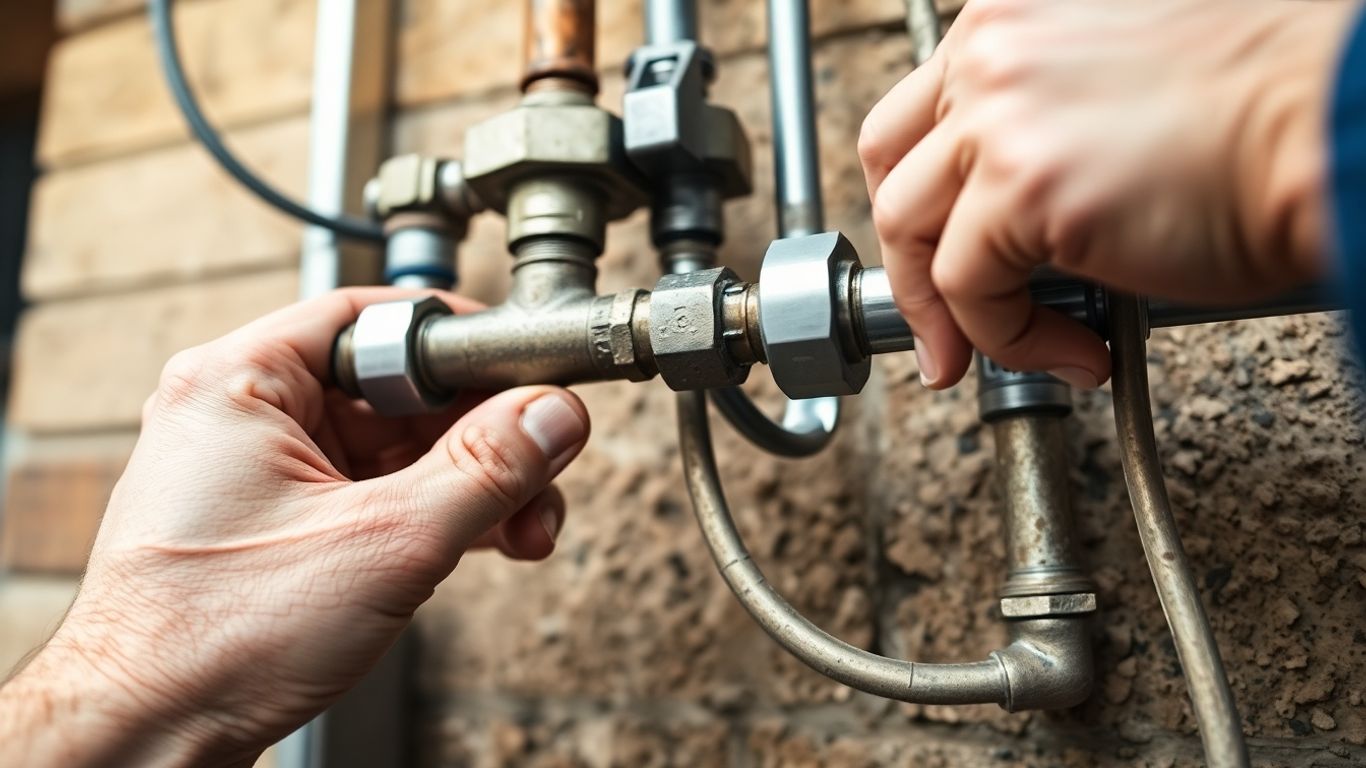
Residential Plumbing and the Importance of Preventive Care
Residential plumbing plays a vital role in keeping a home comfortable, functional, and safe. From kitchen faucets and bathroom fixtures to water heaters and drainage systems, every component works together to deliver clean water and remove wastewater efficiently. When a plumbing issue develops, even a minor problem can quickly interfere with everyday routines.
Many plumbing emergencies begin with warning signs that are easy to overlook. A slow drain, dripping faucet, fluctuating water pressure, or unusual sound from a pipe may indicate an underlying concern. Paying attention to these symptoms can help homeowners address problems before they result in water damage or costly repairs.
For homeowners in Central Florida, regular attention to residential plumbing is particularly valuable. Changes in weather, aging pipes, mineral deposits, and everyday usage can all affect plumbing performance. Mac Plumbing helps homeowners address plumbing concerns with practical solutions designed to support reliable household systems and long-term performance.
Common Residential Plumbing Problems to Watch
Plumbing systems contain numerous interconnected components, meaning one small defect can affect several fixtures. Understanding common problems makes it easier to recognize when professional attention may be appropriate.
1. Persistent Dripping Faucets
A faucet that continues dripping after being turned off may seem like a minor inconvenience. However, a persistent leak can waste water and may indicate a worn washer, damaged valve, deteriorated seal, or another internal component.
Replacing faulty components promptly can reduce unnecessary water consumption while preventing the issue from becoming more complicated.
2. Slow or Frequently Clogged Drains
A drain that empties slowly often signals an accumulation of hair, soap residue, grease, food particles, or other debris. If several drains begin slowing at approximately the same time, the problem could involve a larger section of the drainage system.
Chemical drain cleaners may provide temporary relief but can also be harsh on certain plumbing materials. Professional drain cleaning can help determine the actual source of a recurring blockage.
3. Low or Inconsistent Water Pressure
Water pressure affects showers, faucets, washing machines, and other household fixtures. A sudden reduction in pressure can sometimes result from a clogged aerator or fixture problem, while persistent changes may point to a more significant plumbing concern.
Monitoring water pressure can provide useful information about the condition of a home’s plumbing system.
4. Running Toilets
A toilet that continues running after flushing can waste a significant amount of water over time. The cause may be a worn flapper, faulty fill valve, damaged float, or another internal component.
Because toilet repairs are often straightforward when handled early, ignoring the sound of continuously running water is rarely beneficial.
How Residential Plumbing Maintenance Prevents Bigger Problems
Routine maintenance does more than address visible leaks. It provides an opportunity to inspect plumbing components, identify deterioration, and correct minor defects before they develop into major failures.
A practical maintenance routine can include:
- Checking exposed pipes for corrosion, moisture, or visible damage.
- Inspecting under-sink cabinets for signs of leaks.
- Cleaning faucet aerators when water flow becomes restricted.
- Watching for changes in water pressure.
- Testing shut-off valves periodically.
- Keeping drains free from grease, excessive debris, and inappropriate materials.
- Checking water heater performance and surrounding areas for moisture.
- Scheduling professional plumbing inspections when recurring problems appear.
These simple habits can give homeowners a better understanding of how the plumbing system is performing.
Protecting Pipes From Water Damage
Water damage can affect flooring, drywall, cabinetry, insulation, and personal belongings. In severe cases, prolonged moisture can also contribute to mold growth and structural deterioration.
A leaking pipe does not always produce an obvious puddle. Moisture may remain behind a wall, beneath flooring, or inside a cabinet. Discoloration, musty odors, bubbling paint, warped materials, or unexplained increases in water usage can sometimes indicate a hidden leak.
Knowing where the home’s main water shut-off valve is located is also essential. If a major pipe suddenly fails, shutting off the water supply quickly can limit the amount of water entering the property while professional assistance is arranged.
Residential Plumbing and Water Heater Care
Water heaters are an important part of modern household plumbing. Hot water is needed for bathing, cleaning, laundry, dishwashing, and many other daily activities.
A water heater that produces inconsistent temperatures, unusual noises, discolored water, or insufficient hot water deserves attention. These symptoms may be related to sediment accumulation, component wear, corrosion, or other mechanical issues.
Homeowners should also inspect the area surrounding the water heater for leaks or moisture. Prompt attention can help prevent a small water heater problem from becoming a larger property-damage concern.
Professional maintenance may also help identify components that require cleaning, adjustment, repair, or replacement.
Why Water Pressure Deserves Attention
Water pressure is an important part of plumbing performance, but higher pressure is not necessarily better. Excessively high pressure can place additional stress on pipes, fixtures, valves, and appliances.
Signs of potential pressure problems may include:
- Faucets producing unusually weak flow.
- Shower performance changing noticeably.
- Pipes making banging or vibrating sounds.
- Appliances filling more slowly than expected.
- Pressure changing dramatically when multiple fixtures operate.
A professional assessment can help determine whether the issue originates with a fixture, pressure regulator, supply line, or another part of the plumbing system.
When to Call a Professional Plumber
Some basic maintenance tasks are suitable for homeowners, but certain situations require professional knowledge and specialized equipment. Delaying service when a serious problem is present can increase repair costs and property damage.
Professional assistance may be appropriate when there is:
- A burst or severely leaking pipe.
- A sewer backup.
- Persistent drain blockage.
- No water or a sudden major pressure change.
- A significant water heater leak.
- Water stains appearing on walls or ceilings.
- Repeated plumbing failures.
- Suspected hidden leaks.
- Overflowing fixtures that cannot be controlled.
- Unexplained increases in water consumption.
A qualified plumbing professional can assess the system, identify the source of the problem, and recommend an appropriate repair rather than simply treating the visible symptom.
Choosing Reliable Residential Plumbing Services
Selecting a plumbing provider should involve more than comparing the lowest advertised price. Homeowners are placing essential water and drainage systems in the hands of a professional, making experience, communication, workmanship, and reliability important considerations.
Before scheduling service, consider asking:
- Does the plumber have experience with the specific problem?
- Is the scope of work clearly explained?
- Are repair recommendations based on an inspection?
- Are costs communicated before unnecessary work begins?
- Does the company serve the local area?
- Is follow-up support available if additional concerns arise?
Clear communication can make the repair process easier and help homeowners make informed decisions about their property.
Practical Tips for Extending Plumbing System Life
Good plumbing performance depends heavily on daily habits. Small changes in how fixtures and drains are used can reduce unnecessary strain.
Avoid pouring grease and cooking oils down kitchen drains. Use drain screens to catch hair and debris in bathroom fixtures. Do not flush products that are not designed to break down through a sewer system. Pay attention to unusual noises, odors, pressure changes, and moisture.
It is also useful to know the approximate age and condition of major plumbing components. Older pipes, fixtures, and water heaters may require closer monitoring because wear can increase over time.
Preparing for Plumbing Emergencies
Preparation can make a major difference when a plumbing emergency occurs. Every household should know the location of the main water shut-off valve and understand how to operate it.
Keep important contact information accessible, including the number for a trusted local plumbing service. If a major leak occurs, shut off the water when possible, move vulnerable belongings away from the affected area, and avoid using electrical equipment near standing water.
Quick action cannot prevent every consequence, but it can reduce unnecessary water exposure while professional help is on the way.
Final Thoughts on Residential Plumbing
A dependable plumbing system does not happen by accident. Regular inspections, responsible fixture use, timely repairs, and awareness of early warning signs can all contribute to better household plumbing performance.
Residential plumbing deserves attention before a small inconvenience becomes an emergency. For homeowners seeking dependable plumbing assistance in Central Florida, Mac Plumbing provides professional solutions designed around practical household needs. Addressing plumbing concerns promptly can help protect the property, conserve water, and keep essential systems working reliably for the long term.