

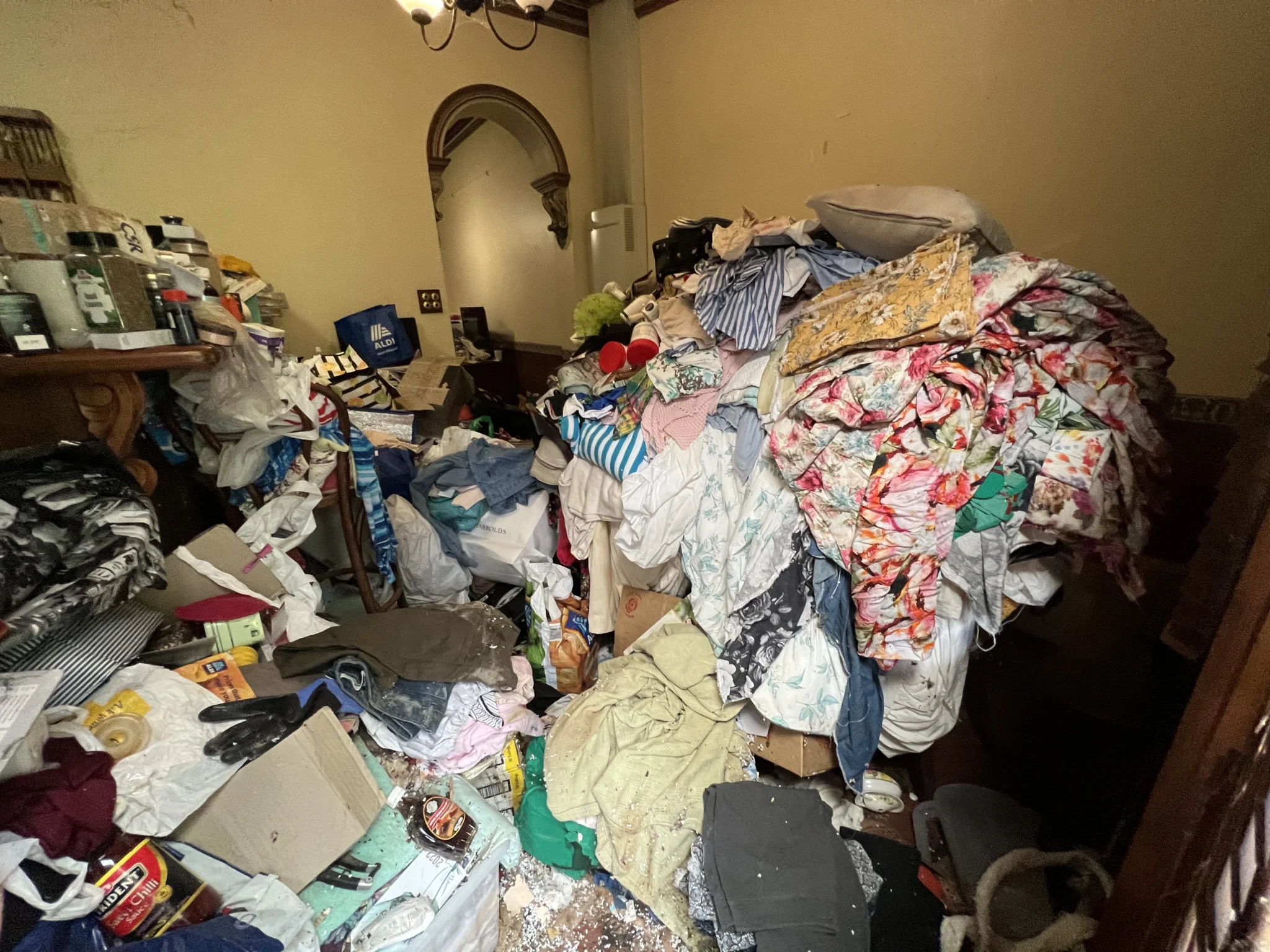
Watching a loved one struggle with hoarding can leave families feeling helpless, frustrated, and unsure where to turn. The instinct is often to step in and clear everything out, yet that approach usually backfires and breaks trust. The American Psychiatric Association estimates that hoarding disorder affects about 2.6% of people, or roughly one in forty adults, so this is far more common than most realize.
The best results come when families and hoarding experts work as one team, calmly and with a shared plan. The goal is simple: a safer home and a stronger relationship, reached at a pace the person can manage.
Signs It’s Time to Bring in a Hoarding Expert
Not every cluttered home needs professional help, but a few clear signs mean it is time to call a specialist. The more of these you notice together, the more urgent the situation becomes:
- Clutter is blocking exits, hallways, or access to the stove, sink, or bed
- The home has pests, mold, rotting food, or a strong lingering smell
- Your loved one becomes deeply distressed at the thought of letting anything go
- Past family cleanouts were undone within weeks or left the relationship worse
- Clutter is putting health, housing, or basic safety at real risk
- Tension over the mess is straining the whole family
How Families and Hoarding Experts Can Work Together
Families and professionals get the best results when they agree on goals, respect the person at the center of it all, and move in small, steady steps. Here are five ways that partnership works in practice. None of this requires expert knowledge from the family, only patience and a willingness to follow the plan.
1. Start With a Shared Harm Reduction Goal
The first step is agreeing on what success looks like. For most families, the realistic aim is harm reduction, which means a safer and more functional home rather than a spotless one. This shared goal keeps everyone focused and takes pressure off the person who hoards. Useful starting goals often include:
- Clear exits, hallways, and doorways so the home is safe to move through
- Working access to the kitchen, bathroom, and sleeping areas
- Removal of real hazards like rotting food, fire risks, or blocked vents
2. Clarify Roles for Family and Professionals
Everyone involved needs to know their job. Professionals lead the clinical and practical side, while family members focus on encouragement and steady support rather than making decisions. This means the person never feels ganged up on, and the effort stays calm, respectful, and organized from start to finish.
One simple way to divide things up is to let the specialist handle hazards and the sorting strategy. Family members then focus on emotional support, gentle reminders, and celebrating the wins along the way.
3. Build Trust Before Sorting Begins
Trust has to come before any clearing starts. Pushing too fast or throwing things out early almost always shuts the person down and sets progress back by weeks. Specialists spend time listening, learning the story behind the items, and showing that they will never discard anything without clear permission.
Once the person feels truly heard, they become far more willing to start letting go. That early patience is what makes every later step easier.
4. Use Small, Achievable Steps Instead of Full Cleanouts
Big cleanouts rarely hold. Working one drawer, shelf, or corner at a time gives the person room to build skills and confidence, and it keeps the process from feeling overwhelming. Small wins also show families that real change is possible. Steady progress usually looks like:
- Short, focused sessions rather than exhausting all-day marathons
- Starting with low attachment items before touching sentimental ones
- Celebrating each finished area to keep motivation and momentum high
5. Keep the Person Involved in Every Decision
The person who hoards must stay at the heart of every choice. When they decide what to keep, donate, or let go of, they hold on to a sense of control that makes the change last. As a result, outcomes are far more likely to stick than when belongings are removed for them.
Family can help most by asking questions instead of giving orders. Keeping the person in charge of their own home protects both their dignity and the progress you have made together.
What Families and Hoarding Experts Each Bring
Good outcomes come from each side doing what it does best. Families provide daily emotional support, while hoarding experts provide clinical skill and structure.
Families bring:
- Reduced conflict and better communication when everyone stays calm and united
- Improved safety in shared spaces, since relatives spot small hazards early
- Consistent follow-through between appointments through gentle daily encouragement
Hoarding experts bring:
- Clinical insight into the anxiety, grief, and indecision that drive hoarding
- Structured, room-by-room decluttering plans with realistic timelines
- Behavior change strategies drawn from cognitive behavioral therapy
- Referrals to therapists, support groups, and community resources beyond the clutter
Neither side carries the whole load this way, which keeps the work balanced, kind, and far more likely to hold over time.
Common Mistakes to Avoid
Good intentions can still cause real harm. These common mistakes set families back the most:
- Cleaning without consent: Removing items behind the person’s back destroys trust and often makes the hoarding worse
- Arguing, shaming, or forcing decisions: Pressure and criticism raise anxiety and make the person cling even tighter to belongings
- Setting unrealistic cleanup goals: Expecting a perfect home overnight leads to burnout and disappointment for everyone involved
Supporting Long-Term Progress
Lasting change needs support long after the home is cleared.
- Ongoing check-ins and relapse prevention: Regular follow-up visits catch the early signs of clutter creeping back and keep new habits on track.
- Family self-care and support groups: Caring for someone with hoarding is draining, so relatives benefit from their own support groups and proper breaks. In addition, looking after your own well-being makes you a steadier source of help.
- Treatment for underlying conditions: Hoarding often sits alongside anxiety or depression, so treating those root conditions with a therapist is key to durable progress.
Progress that lasts grows from steady support rather than pressure. Families who pace themselves and lean on professionals tend to see the most durable change.
Bottom Line
Families and professionals achieve far more together than either can alone. The winning approach is calm, consent-based, and built on small steps that protect both safety and dignity at the same time. With patient hoarding experts guiding the plan and family offering steady support, a cluttered and unsafe home can slowly become a place to live well again.
LifeCycle Transitions has guided thousands of families through hoarding cleanup, downsizing, and senior moves with a calm, mental health-focused approach that moves at the client’s own pace. Their licensed, insured specialists handle everything from the first in-home assessment to sorting, cleaning, and long-term follow-up, so no family has to face it alone.